FUE Hair Transplant
Follicular unit extraction may be considered for suitable candidates after evaluating the donor and recipient areas.

Looking for a hair transplant for men in Roorkee? Get a personalised hair and scalp assessment for male pattern hair loss, receding hairlines, thinning crowns and reduced hair density. Your donor area and hair-loss pattern are evaluated before a suitable restoration plan is discussed.
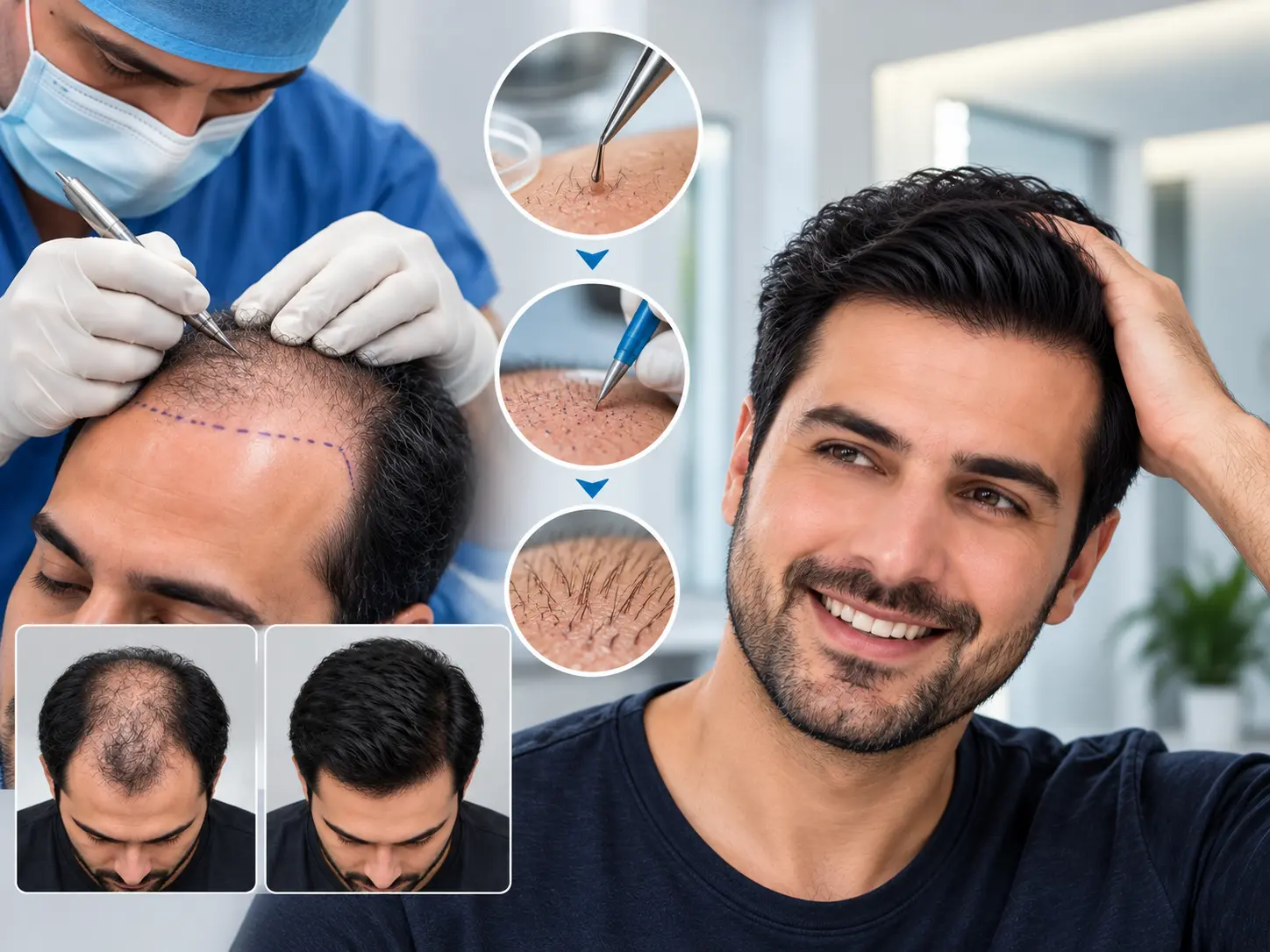
Male hair loss can gradually affect the hairline, temples, crown or other areas of the scalp. A hair transplant may be considered for selected men when the pattern of hair loss, donor hair availability and overall scalp condition make surgical restoration appropriate.
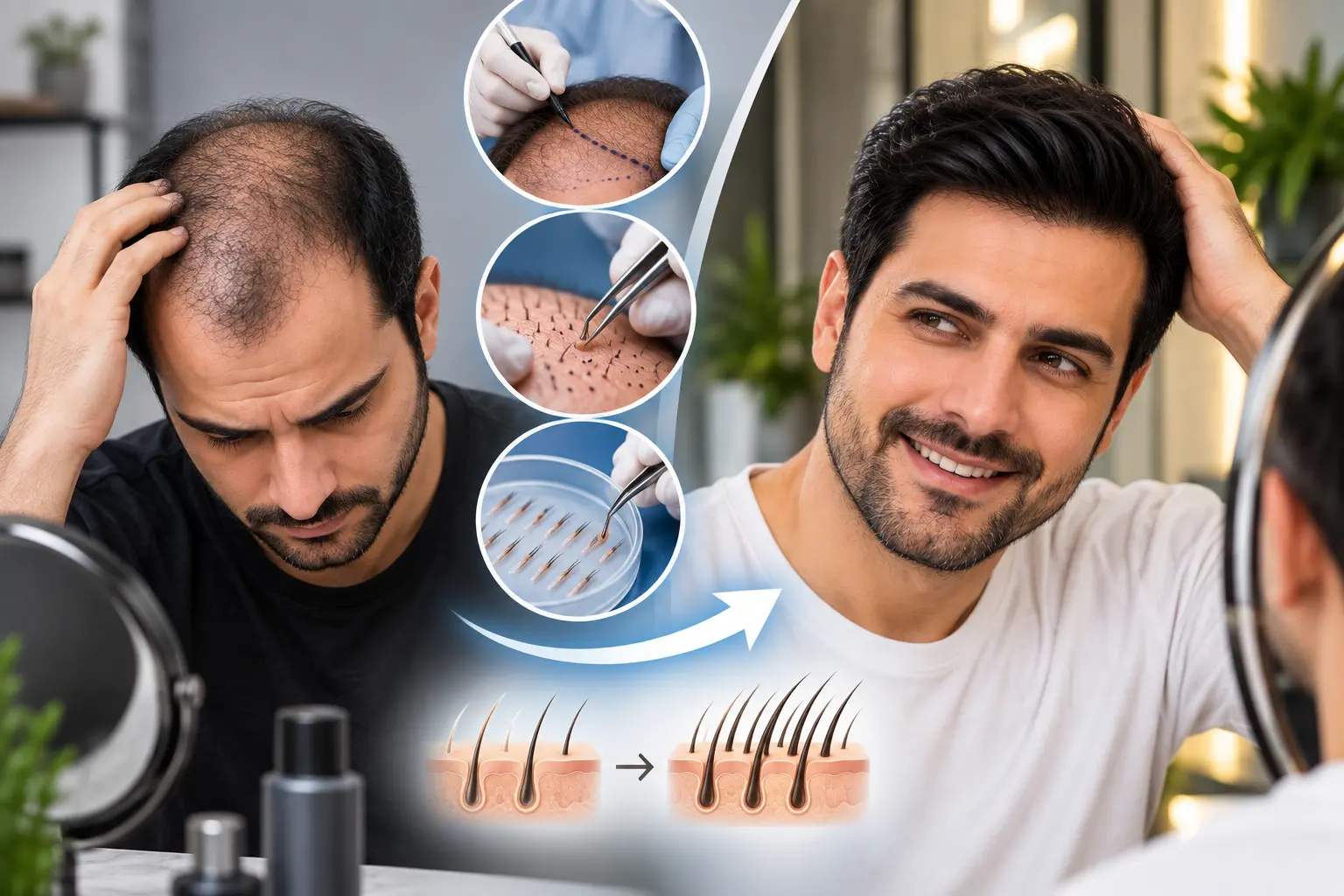
Hair loss can develop differently from one person to another. Identifying the pattern, progression and likely cause of hair loss is an important part of deciding whether a transplant or another treatment approach is appropriate.
Hair transplantation is planned according to the pattern and extent of hair loss, donor hair availability, existing hair density and individual restoration goals. A consultation is required to determine suitability and the appropriate approach.
The hairline, scalp, existing hair density and areas of thinning are examined to understand your hair-loss pattern.
The progression of hair loss, previous treatments, family history and relevant medical factors are discussed.
The donor area is assessed to determine whether sufficient suitable hair is available for a potential transplant.
If transplantation is considered appropriate, your restoration goals and treatment approach can be discussed based on the clinical assessment.
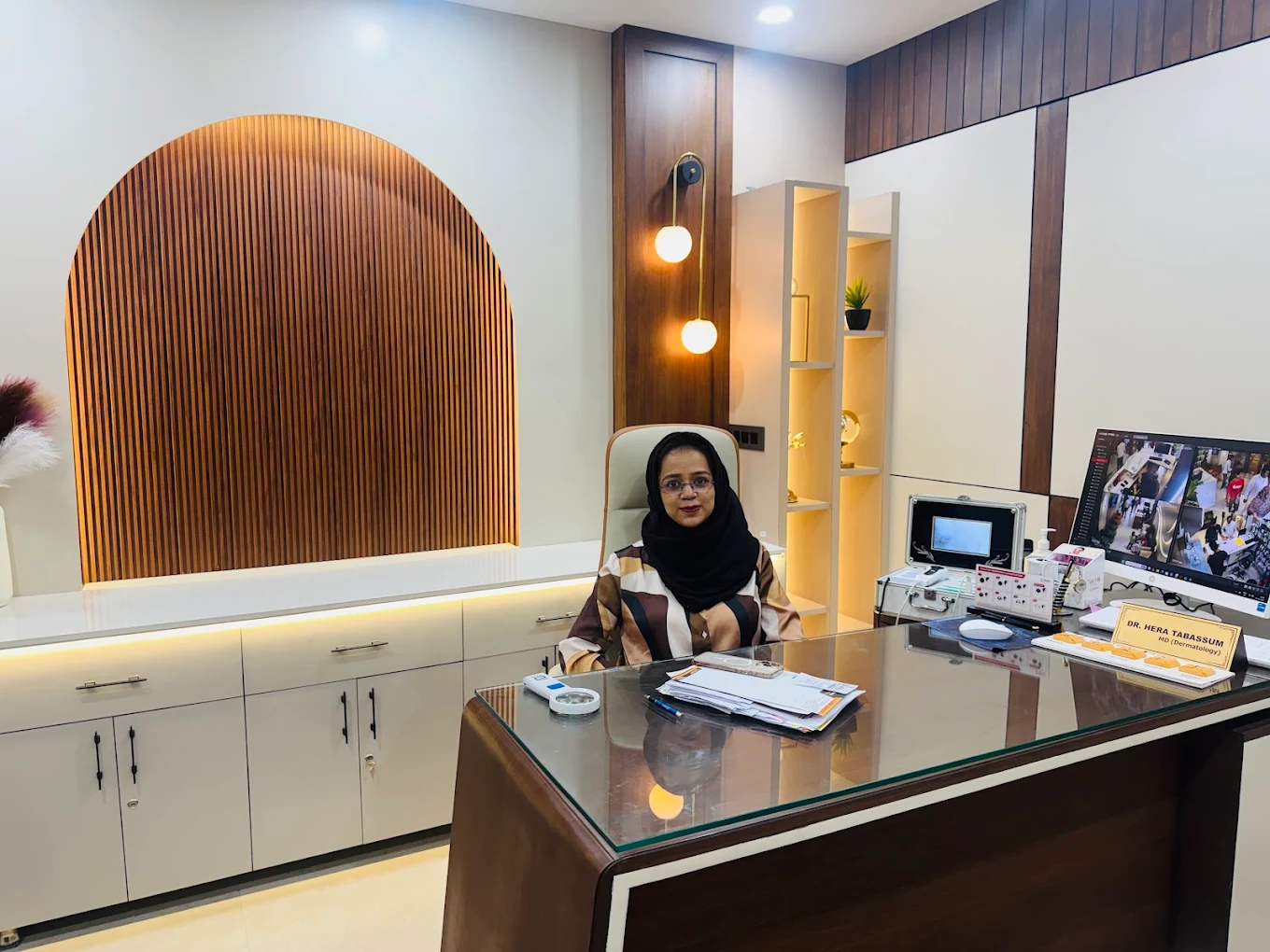
Male hair loss can have different causes and may continue to progress over time. At Dr Hera's Skin & Hair Clinic, the scalp and pattern of hair loss are assessed before discussing transplantation. Where appropriate, the available donor hair, areas requiring restoration and individual goals are considered when planning treatment.
Discover professional solutions for a wide range of skin, hair, and cosmetic concerns through our Skin and Hair Treatments . Our personalised approach focuses on understanding your concerns and recommending suitable treatment options for healthier, clearer, and more confident-looking skin.
Hair transplant results develop gradually and can vary between individuals. Factors such as hair-loss pattern, donor hair availability, graft placement, existing hair density and individual healing and growth response can influence the result.
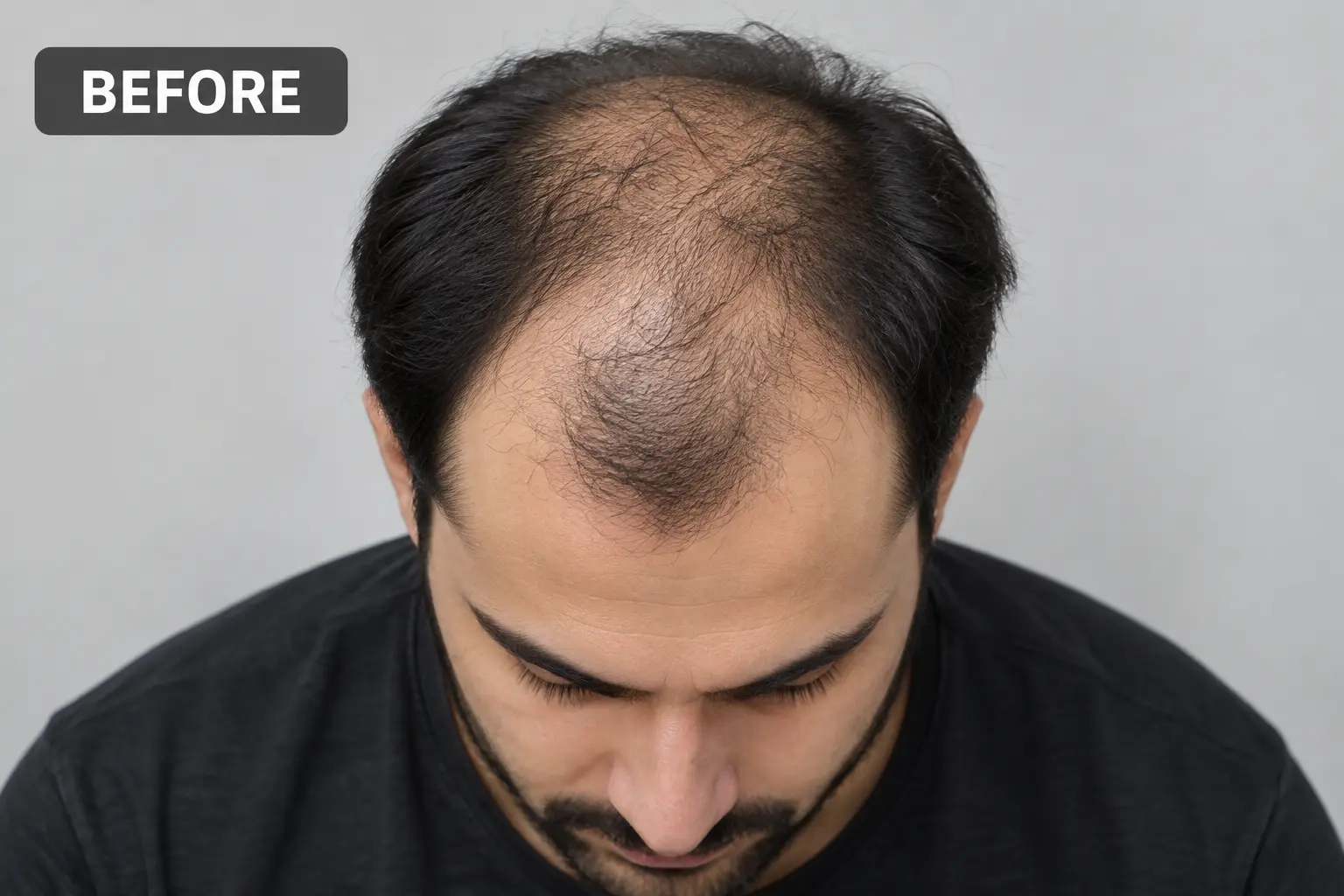
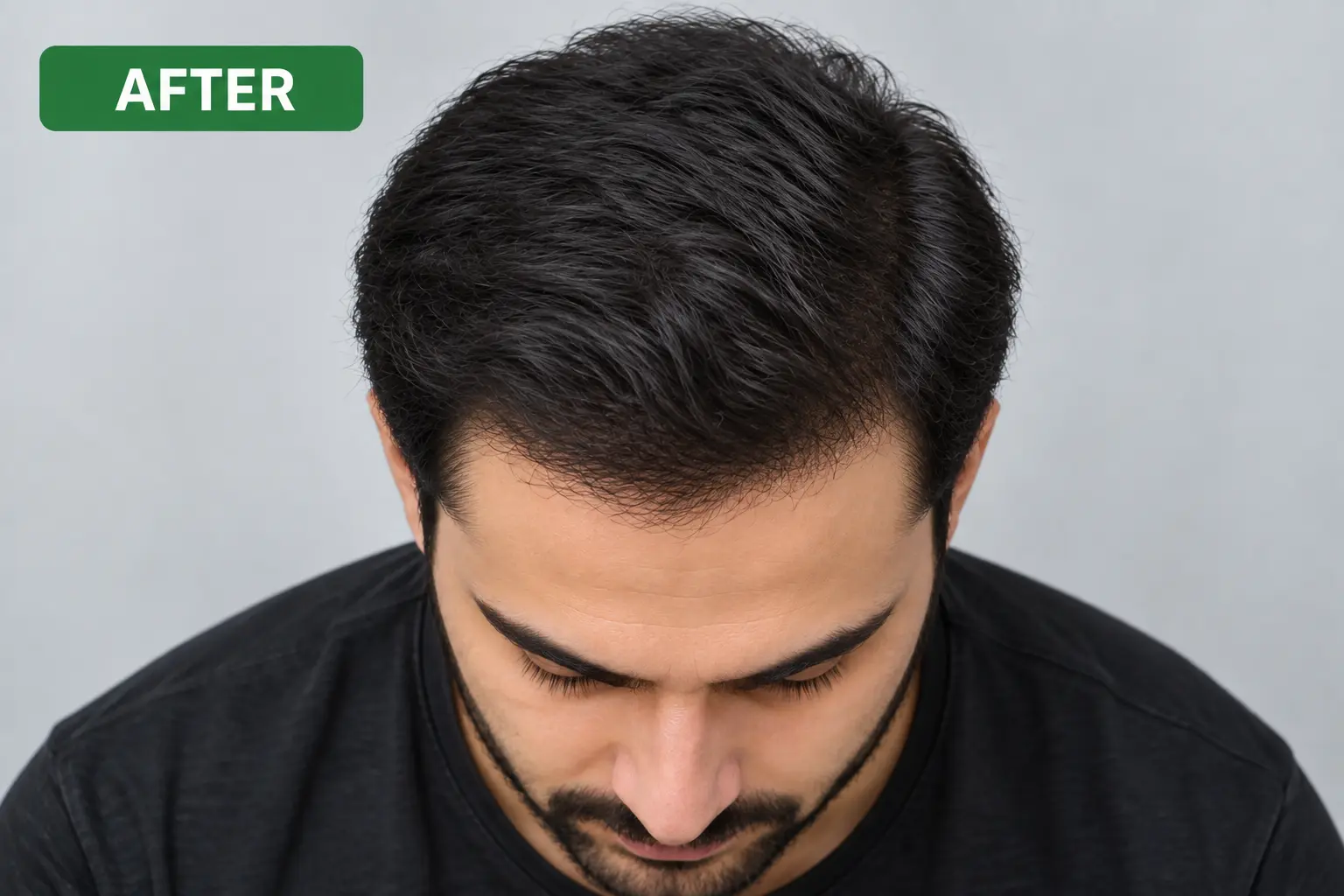
Yes. Hair transplantation may be an option for selected men experiencing certain patterns of hair loss. Suitability depends on factors such as the cause and extent of hair loss and the availability of suitable donor hair.
No. A transplant is not appropriate for every type or stage of hair loss. A professional assessment of the scalp, hair-loss pattern and donor area is important before deciding on surgery.
Male pattern hair loss is a common form of progressive hair thinning that can affect the frontal hairline, temples and crown. Treatment options depend on the individual pattern and stage of hair loss.
FUE, or follicular unit extraction, is a hair-transplant technique that may be considered for suitable candidates. The appropriate technique depends on individual assessment and treatment requirements.
Hair growth after transplantation develops gradually. The timeline varies between individuals and depends on factors including healing and the natural hair-growth cycle.
Some men with thinning hair may be suitable for transplantation, while others may benefit from medical hair-loss treatment. The pattern of thinning and donor hair availability should be assessed first.
Get your hair loss and scalp assessed and discuss whether hair transplantation or another hair restoration approach is suitable for your individual hair-loss pattern and goals.