Microneedling
Microneedling may be considered for selected acne scars and uneven skin texture after dermatological assessment.

Personalised acne scar treatment for uneven skin texture, depressed scars, post-acne marks and visible scarring after evaluation by a dermatologist.
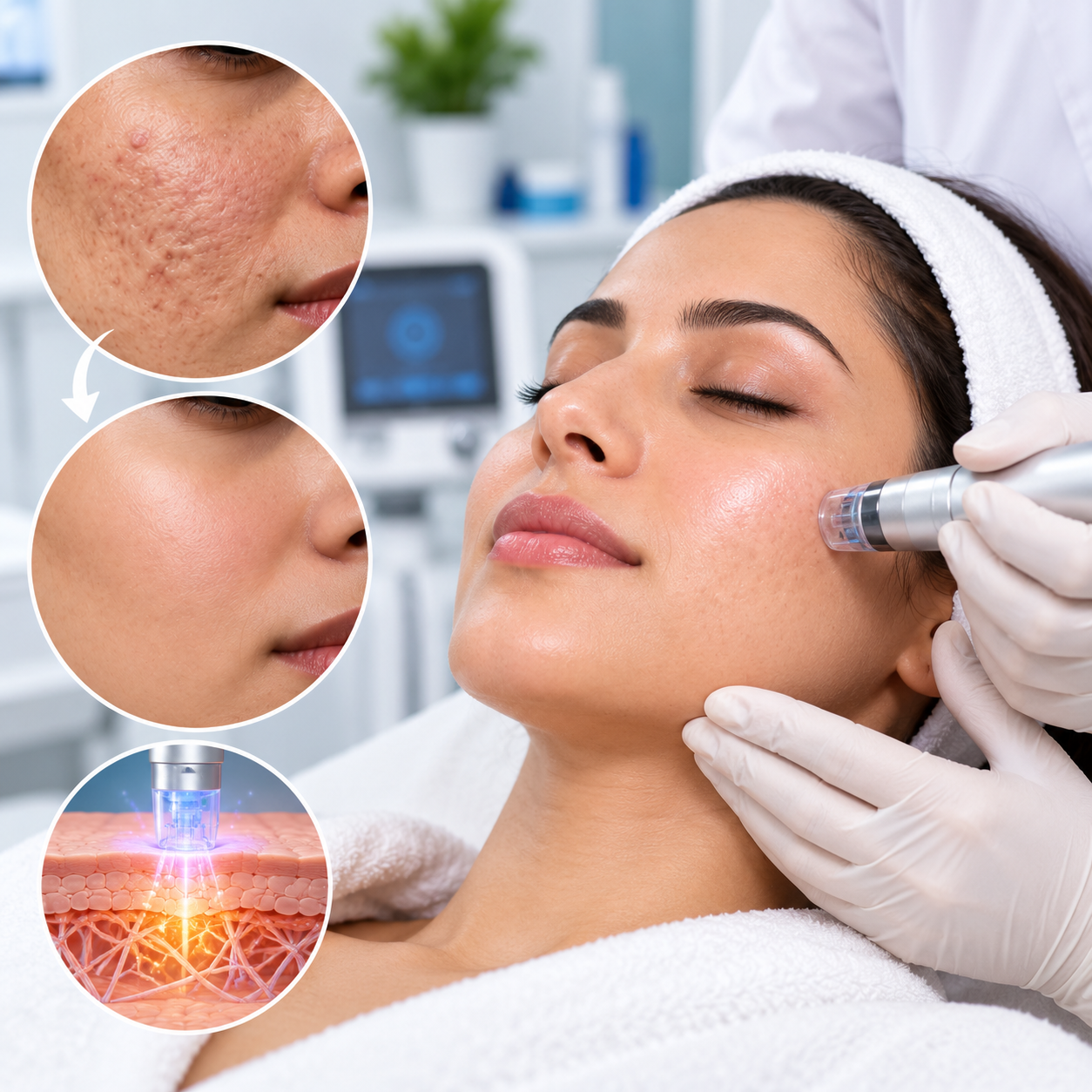
Acne scars can develop after inflammatory or severe acne damages the skin. They may appear as depressions, pits, uneven texture or raised areas. The most suitable treatment depends on the type and depth of the scars.
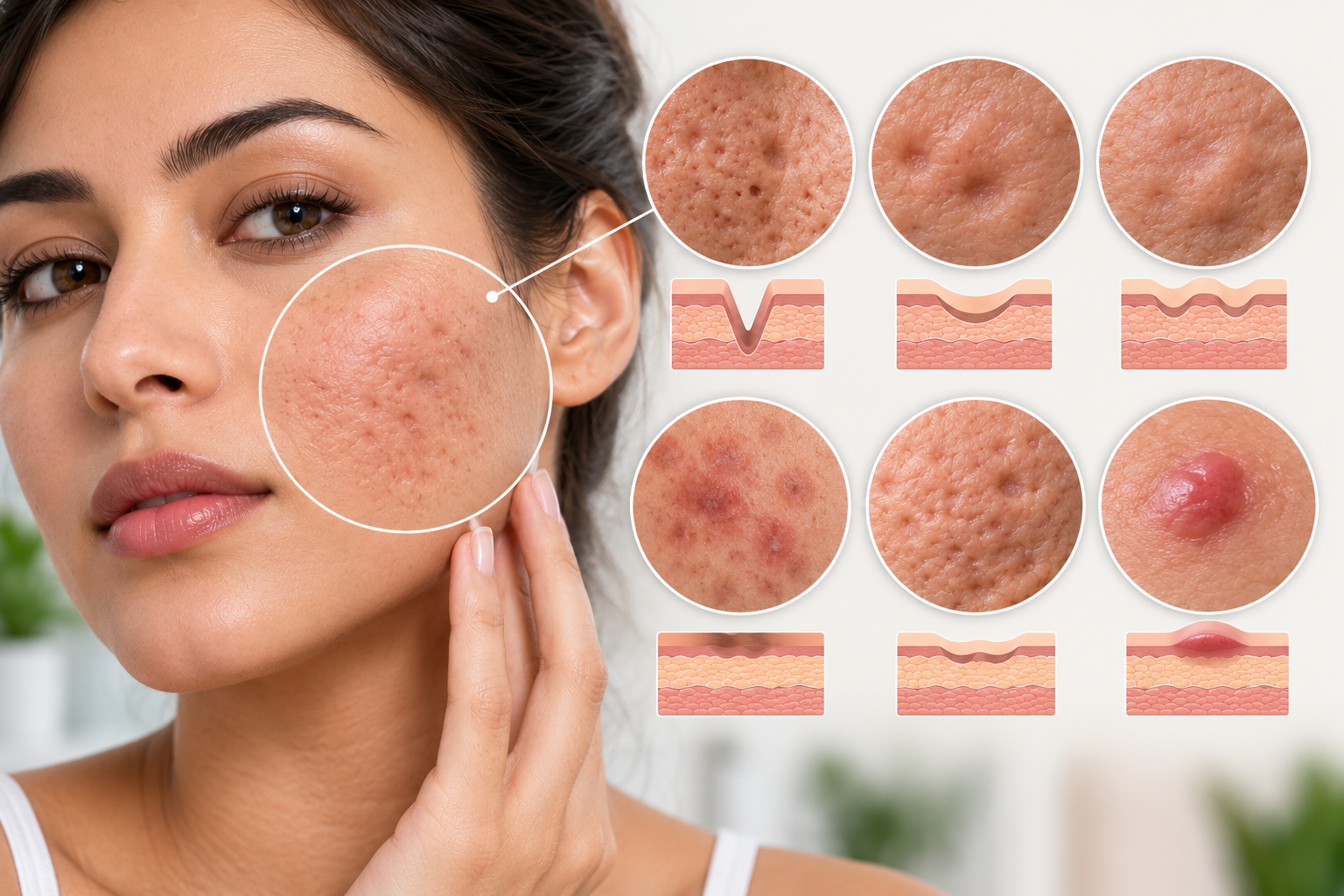
Acne scar treatment is selected according to scar type, depth, skin type, active acne status and the overall condition of the skin.
The type, depth, location and severity of acne scars are carefully reviewed.
Your skin type, active acne, pigmentation and previous treatments are discussed.
A personalised treatment approach is planned according to your scar pattern and skin condition.
Follow-up visits help assess improvement and decide whether additional treatment sessions are appropriate.

Acne scars can vary significantly from one person to another. Treatment therefore begins with identifying the scar type, assessing the skin and deciding which procedure or combination of procedures may be suitable.
Acne scar improvement varies according to scar type, depth, skin condition, treatment method and individual response.
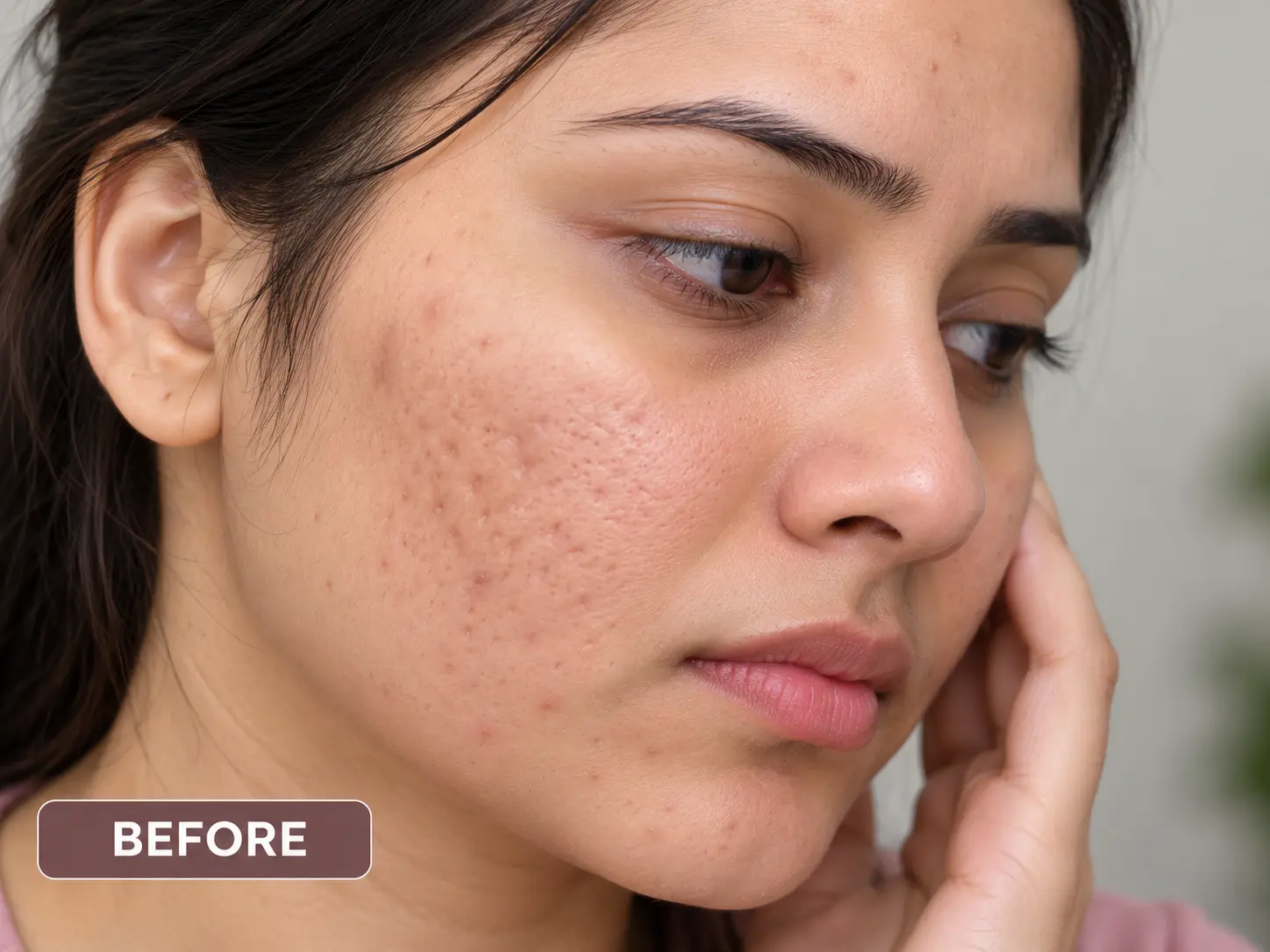
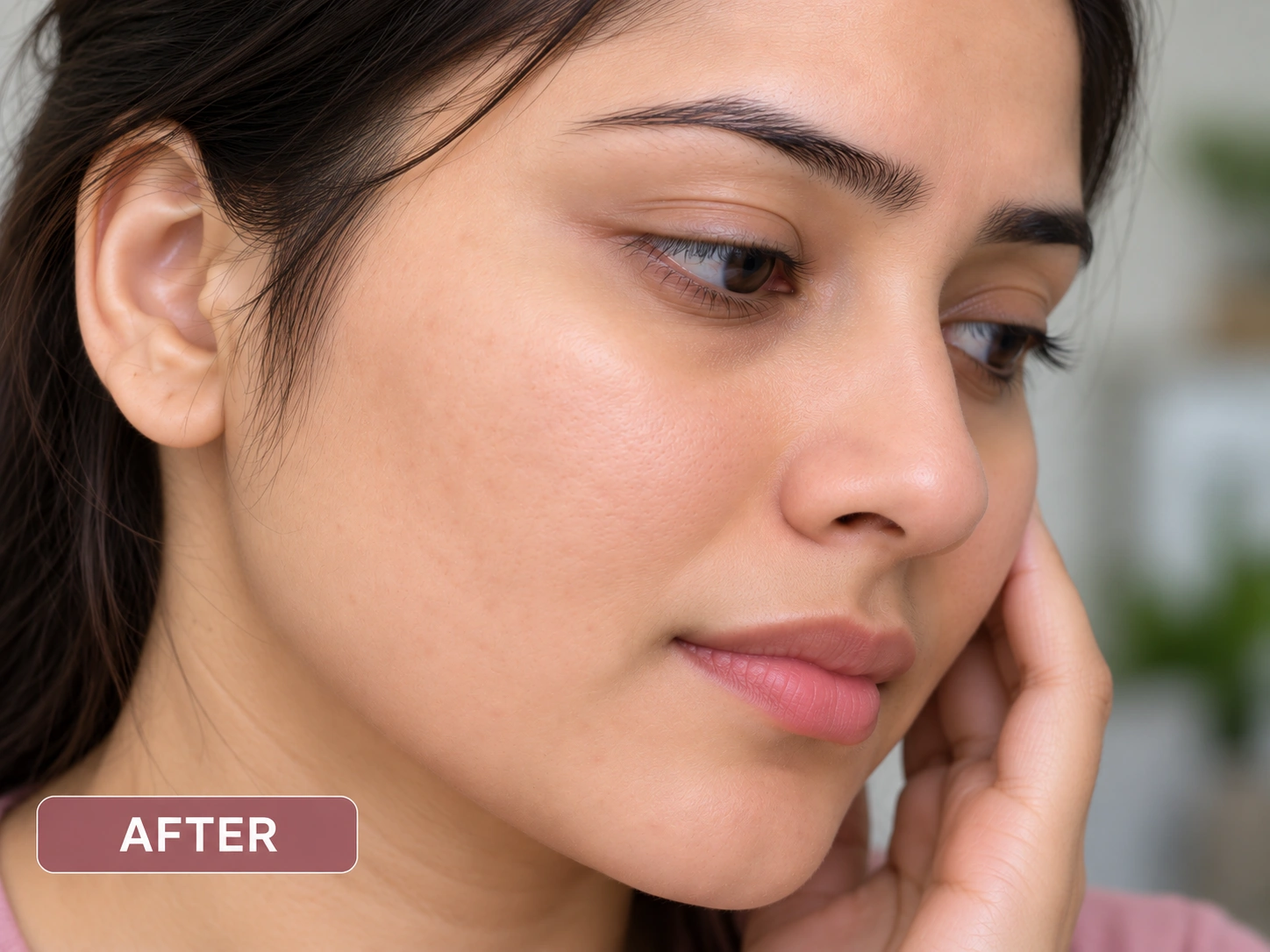
Acne scars can often be improved, but complete removal cannot be guaranteed. The amount of improvement depends on scar type, depth, skin condition and response to treatment.
There is no single treatment that is best for every acne scar. The most suitable option depends on whether the scars are ice pick, boxcar, rolling, raised or a combination of different types.
The number of sessions varies depending on the severity of scarring, procedure selected and individual skin response. A dermatologist can recommend a treatment plan after assessment.
Older acne scars may also be assessed for treatment. Suitability and expected improvement depend on the type, depth and condition of the scars.
Active acne is often controlled before intensive scar procedures so that new breakouts do not continue creating additional scars.
Treatment needs to be selected according to skin type, pigmentation risk, scar pattern and medical history. Dermatological assessment is important before choosing a procedure.
Get a personalised treatment plan based on your acne scar type, skin condition and previous treatment history.