Prescription Acne Care
Topical or oral treatment may be considered when medically appropriate.

Personalised acne care for pimples, blackheads, recurring breakouts and acne-prone skin after evaluation by a dermatologist.
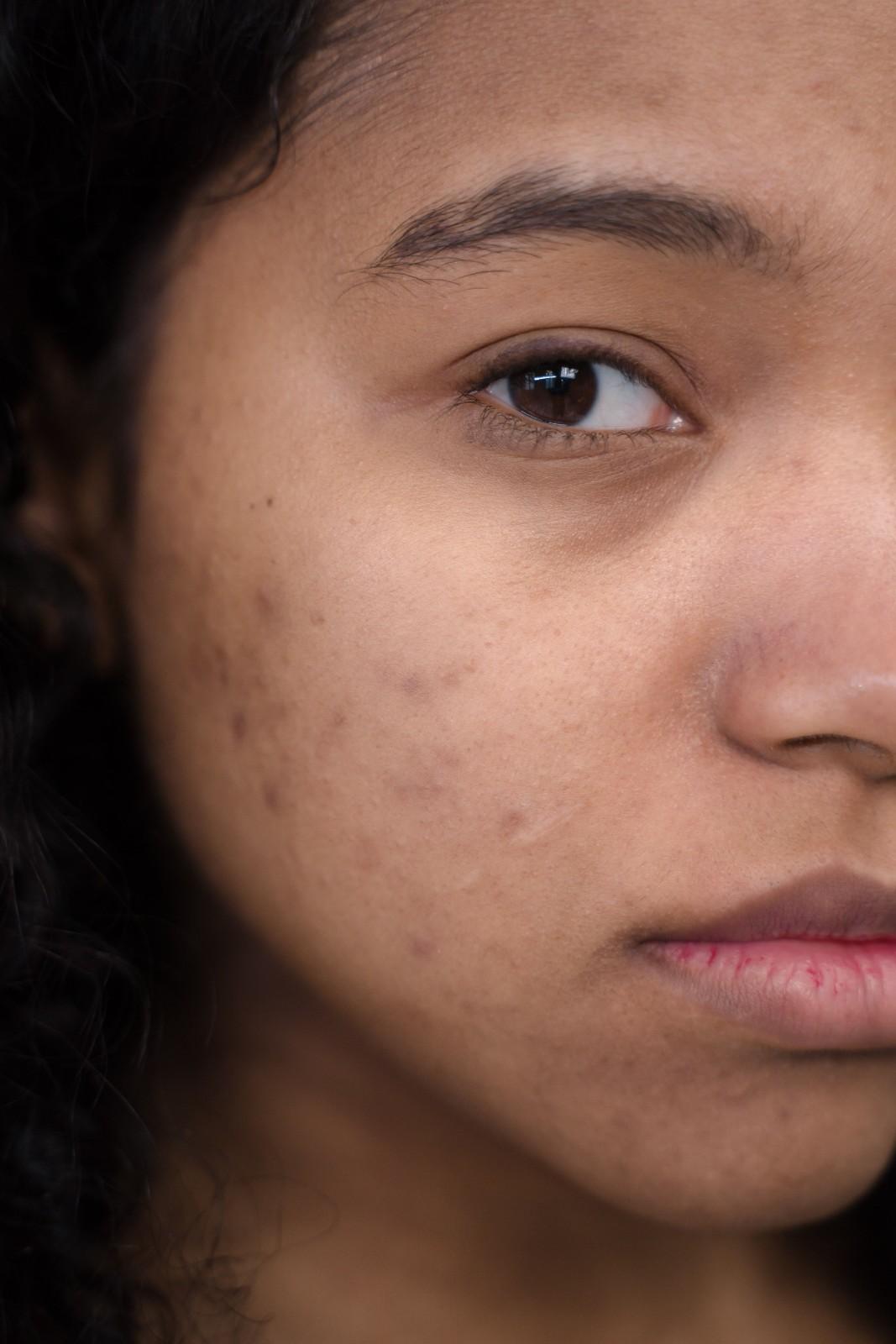
Acne is a common skin condition that can appear as whiteheads, blackheads, inflamed pimples, nodules or cysts. The best treatment depends on the type and severity of acne and whether marks or scars are also present.
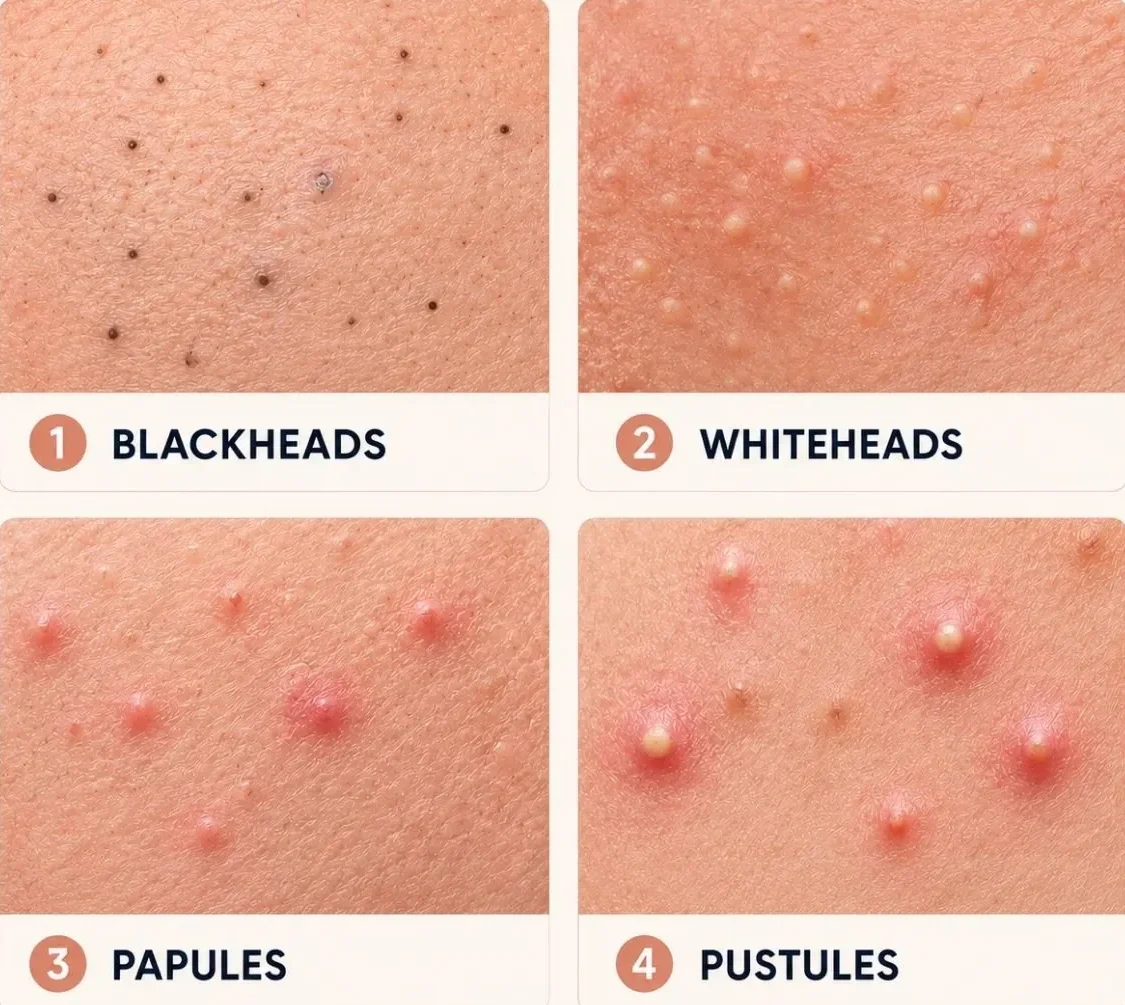
Depending on the type and severity of acne, treatment may include skincare, medicines, clinic procedures or a combination approach.
The type, area, severity and duration of acne are reviewed.
Triggers, skincare, previous treatment and relevant health history are discussed.
A realistic plan is created for active acne and, if needed, marks or scars.
Follow-up helps assess response and modify treatment when required.
Acne treatment should focus first on controlling active disease and reducing the risk of new marks or scars. The treatment plan can then be adjusted according to progress and remaining concerns.
Discover our comprehensive range of Dermatology Services designed to address various skin, hair, and cosmetic concerns with personalised care and advanced treatment options. Explore our services to find the right treatment for your needs.
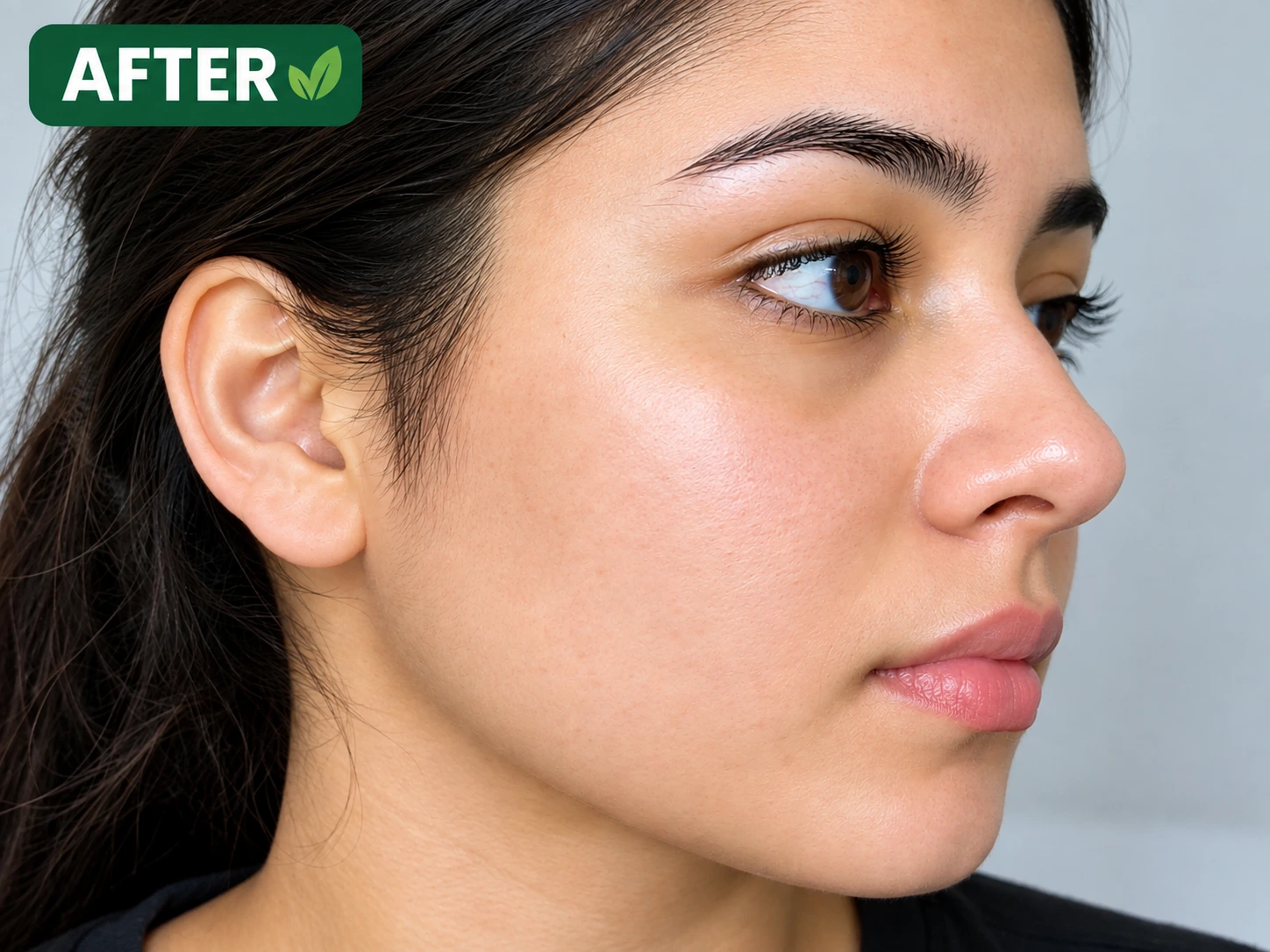
Treatment results can vary depending on acne type, severity, skin condition and individual response to treatment.
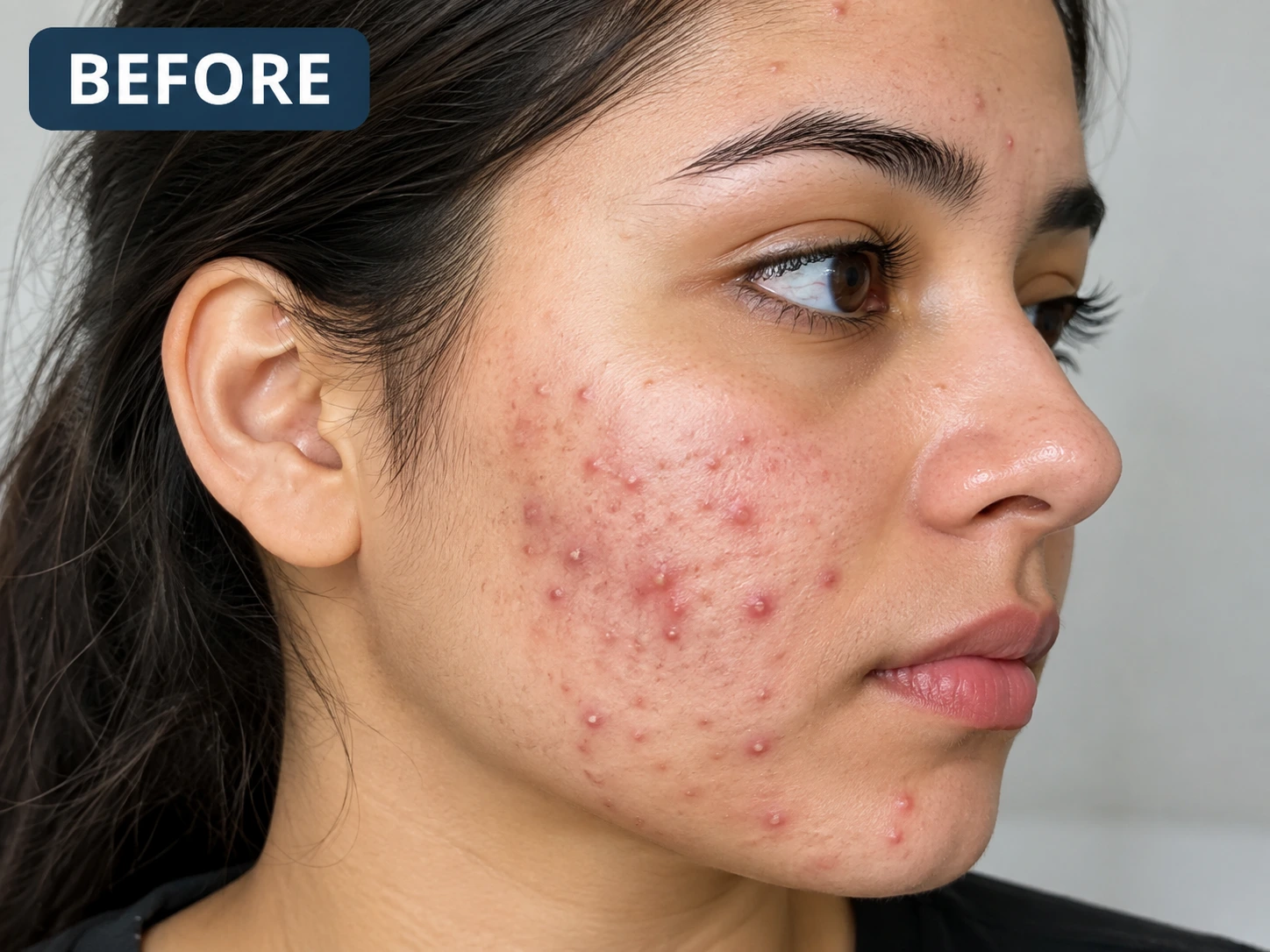
Acne can often be controlled effectively, but future breakouts can still occur depending on skin, hormones and other factors.
Improvement time varies by acne type, severity and treatment. Your dermatologist can give a more relevant estimate after assessment.
Sometimes both can be addressed, but active acne is often prioritised before more intensive scar procedures.
Selected chemical peels may help some patients, but suitability depends on acne type, skin type and the dermatologist's assessment.
Teen acne can be assessed and treated, but the plan should be appropriate for age, severity and medical history.
Avoid picking lesions and frequently changing strong skincare products without guidance. Use a simple routine advised for your skin.
Get a personalised plan based on your acne type, skin and treatment history.