Prescription Pigmentation Care
Dermatologist-prescribed topical treatment may be considered to help reduce excess pigmentation when medically appropriate.

Personalised melasma care for brown or greyish facial patches, uneven pigmentation and recurring discoloration after evaluation by a dermatologist.
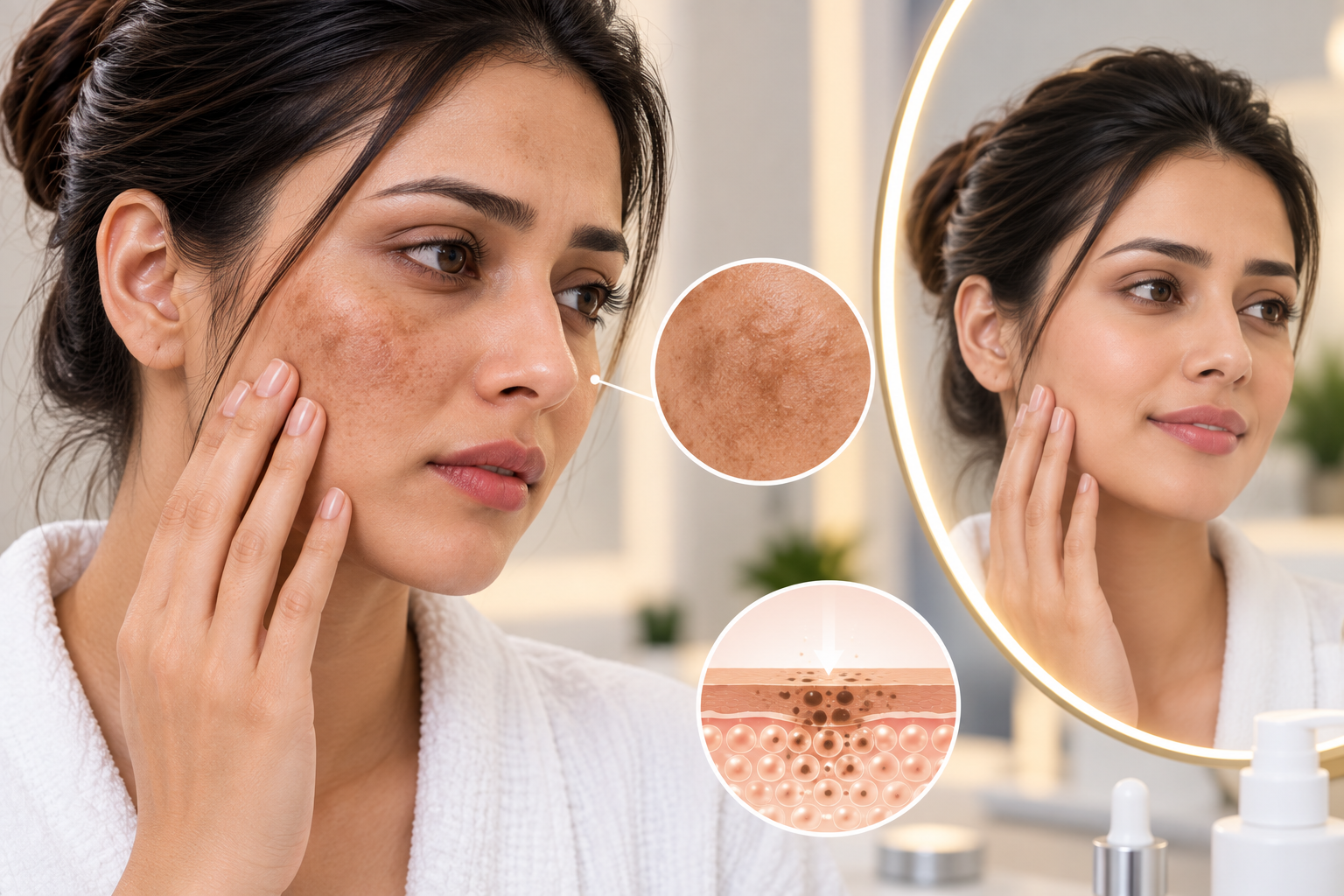
Melasma is a common pigmentation condition that causes brown, greyish-brown or darker patches, most often on the face. It may appear on the cheeks, forehead, nose, upper lip or jawline. Treatment depends on the pigmentation pattern, skin type, triggers and individual response.

Melasma treatment is usually personalised according to skin type, pigmentation depth, severity and previous treatment. Depending on the assessment, treatment may include skincare, prescription medicines, procedures or a combination approach.
The location, pattern, colour and extent of pigmentation are reviewed during the dermatology assessment.
Previous pigmentation treatments, skincare products, sun exposure and relevant factors are discussed.
A treatment plan is created according to your skin type, pigmentation and individual treatment requirements.
Follow-up appointments help assess the response and modify treatment when required.

Melasma can be persistent and may return even after improvement. Treatment therefore focuses not only on reducing visible pigmentation but also on identifying suitable skincare, sun-protection measures and treatment options for long-term management.
Melasma treatment results can vary depending on pigmentation depth, skin type, triggers, treatment approach and individual response.
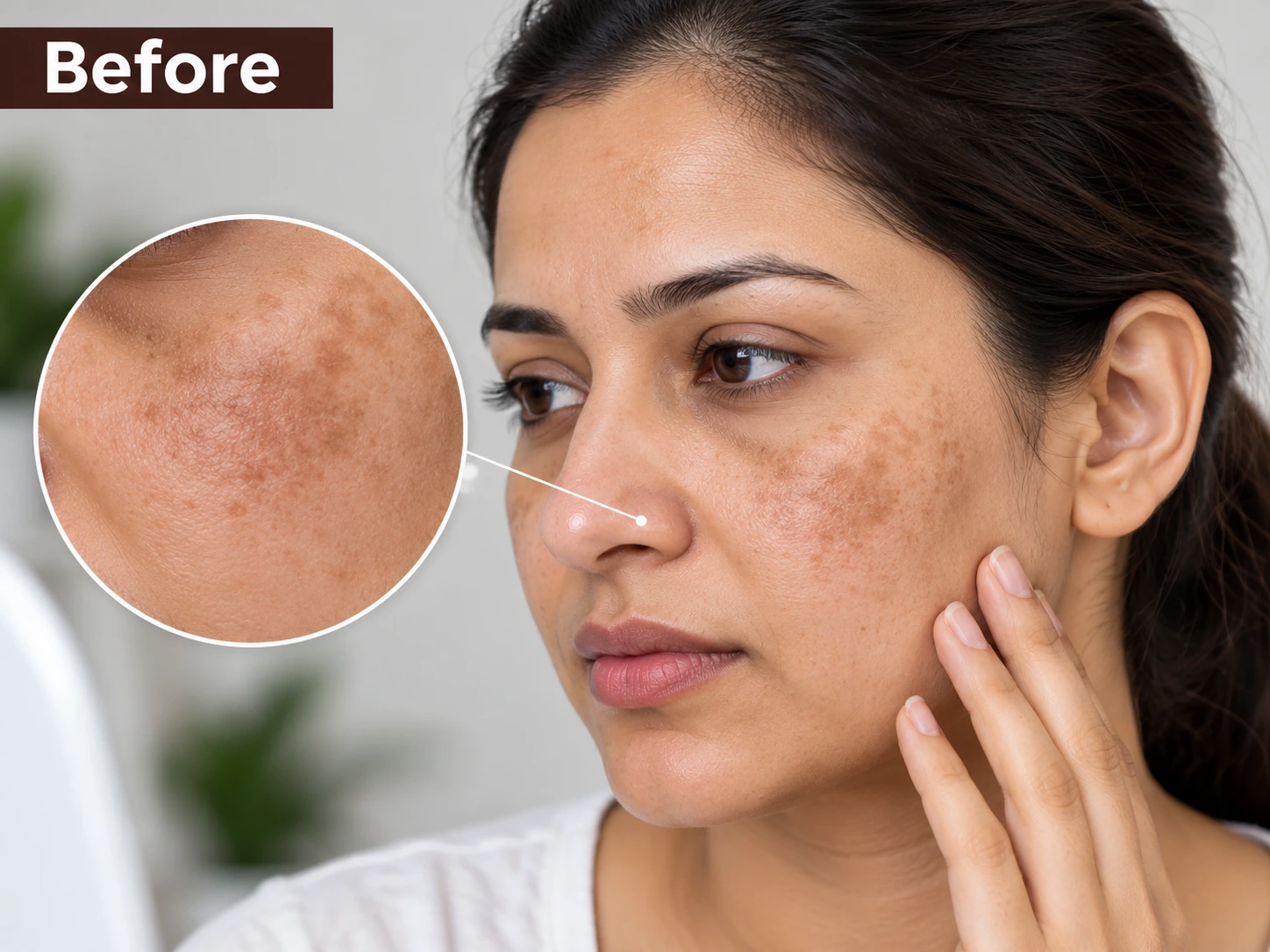
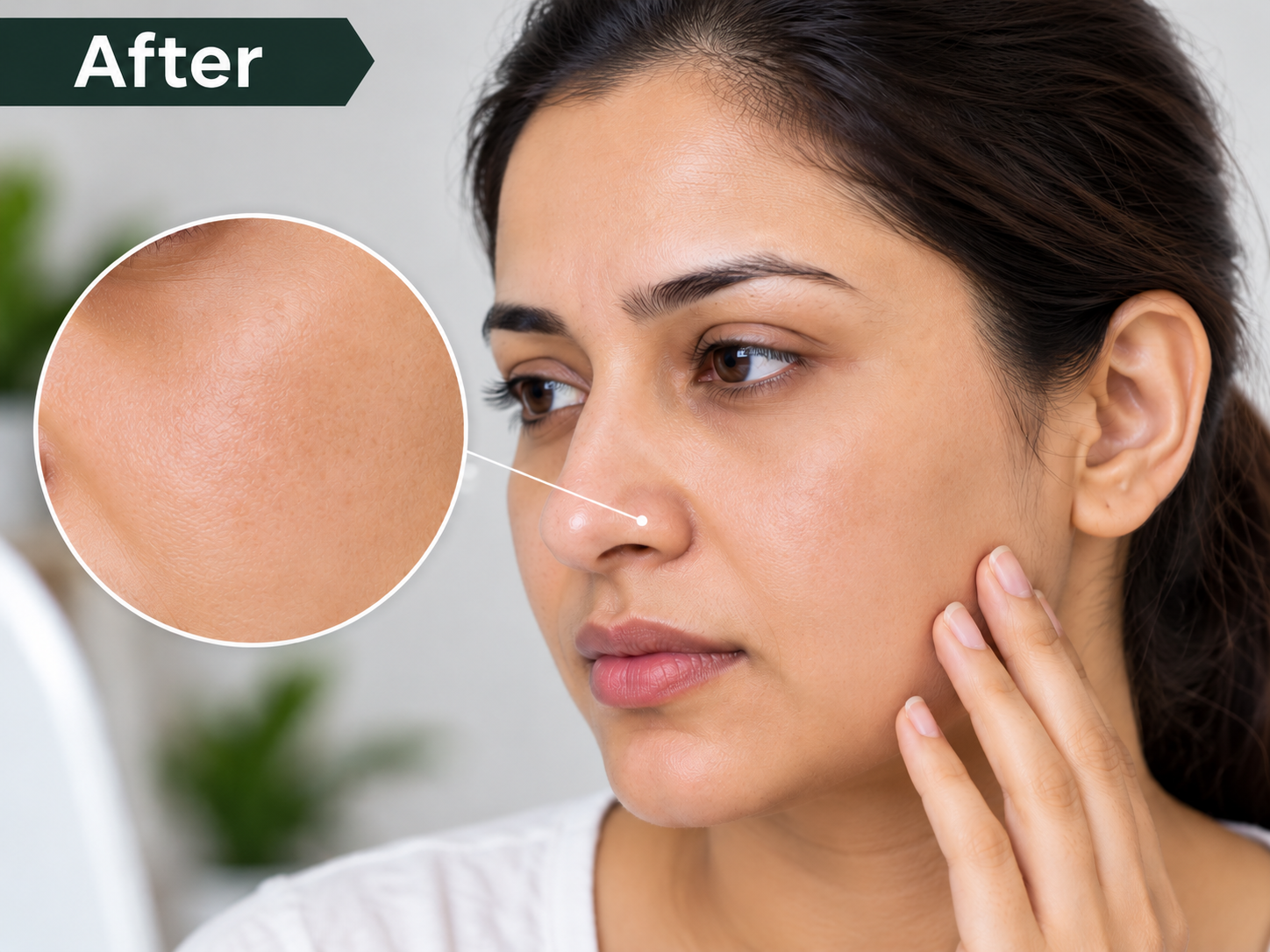
Melasma can often be improved and managed, but it may return because pigmentation can be influenced by factors such as sunlight, hormones and individual skin characteristics.
Improvement varies between individuals and depends on the severity of pigmentation, treatment approach and response. Your dermatologist can provide a more relevant estimate after assessing your skin.
Sun protection is an important part of melasma management because ultraviolet exposure can worsen pigmentation. Your dermatologist can recommend suitable sunscreen and protective measures.
Selected chemical peels may help some patients with pigmentation, but suitability depends on skin type, pigmentation and the dermatologist's assessment.
Yes. Melasma can recur even after improvement. Consistent sun protection and an appropriate maintenance routine may help with long-term management.
Some skincare measures may support pigmentation management, but persistent or recurring facial pigmentation should be assessed by a dermatologist before starting stronger treatments.
Get a personalised pigmentation treatment plan based on your skin type, melasma pattern and previous treatment history.