Prescription Topical Treatment
Prescription creams, ointments, lotions or gels may be recommended to help control inflammation, scaling and other psoriasis symptoms.

Get personalised psoriasis treatment in Roorkee for itchy, dry, scaly and recurring skin patches. A dermatologist-led assessment helps identify the type and severity of psoriasis and select a suitable treatment plan for your skin.

Psoriasis is a long-term inflammatory skin condition that can cause dry, thickened, itchy and scaly patches on different areas of the body. Symptoms can improve and flare up again, so treatment is focused on controlling the condition and managing symptoms over time.
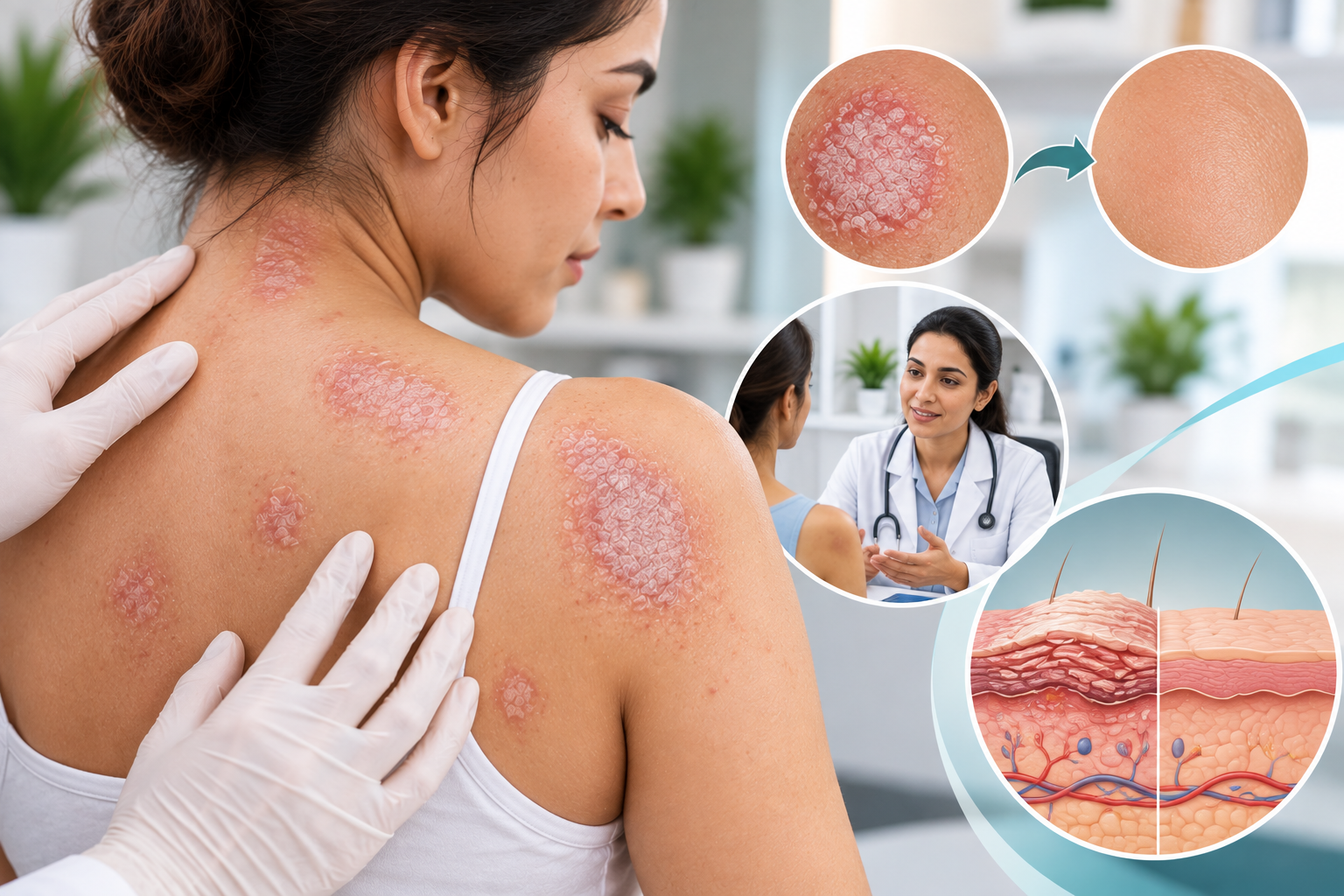
Psoriasis can appear differently depending on the body area, skin type and severity. A dermatologist can assess persistent or recurring patches and recommend an appropriate treatment plan.
Psoriasis treatment is selected according to the type, severity and location of psoriasis, previous treatment response and individual medical history. Depending on the assessment, treatment may involve topical medicines, moisturising care, phototherapy or other dermatologist-supervised treatments.
The dermatologist examines the affected areas and reviews the appearance, location and extent of your psoriasis.
Previous psoriasis treatments, flare-ups, medications, triggers and relevant medical history are discussed.
A treatment approach is selected according to your psoriasis, skin condition, severity and treatment requirements.
Your response to treatment can be reviewed and the treatment plan adjusted when necessary.

Psoriasis can be persistent and may require ongoing management. At Dr Hera's Skin & Hair Clinic, treatment is planned after assessing the affected skin, severity, previous treatment and individual requirements. The aim is to provide a practical, personalised approach to controlling symptoms and managing flare-ups.
Take a closer look at our comprehensive range of Skin, Hair and Cosmetic Treatments designed to address different dermatological concerns with personalised care and carefully selected treatment approaches.
Results can vary depending on the type and severity of psoriasis, affected body areas, treatment approach, previous treatment and individual response. Your dermatologist can discuss realistic treatment expectations during your consultation.
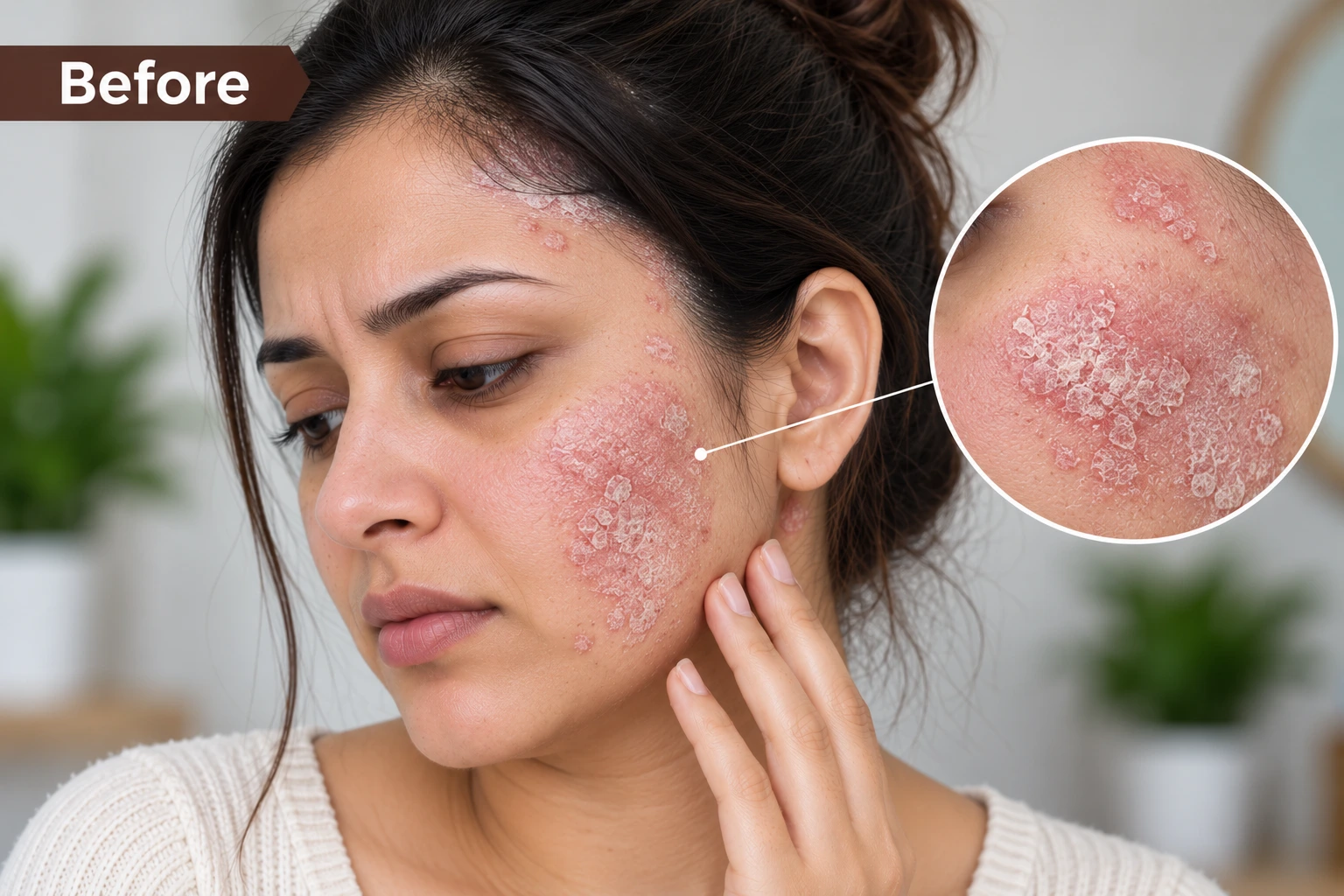
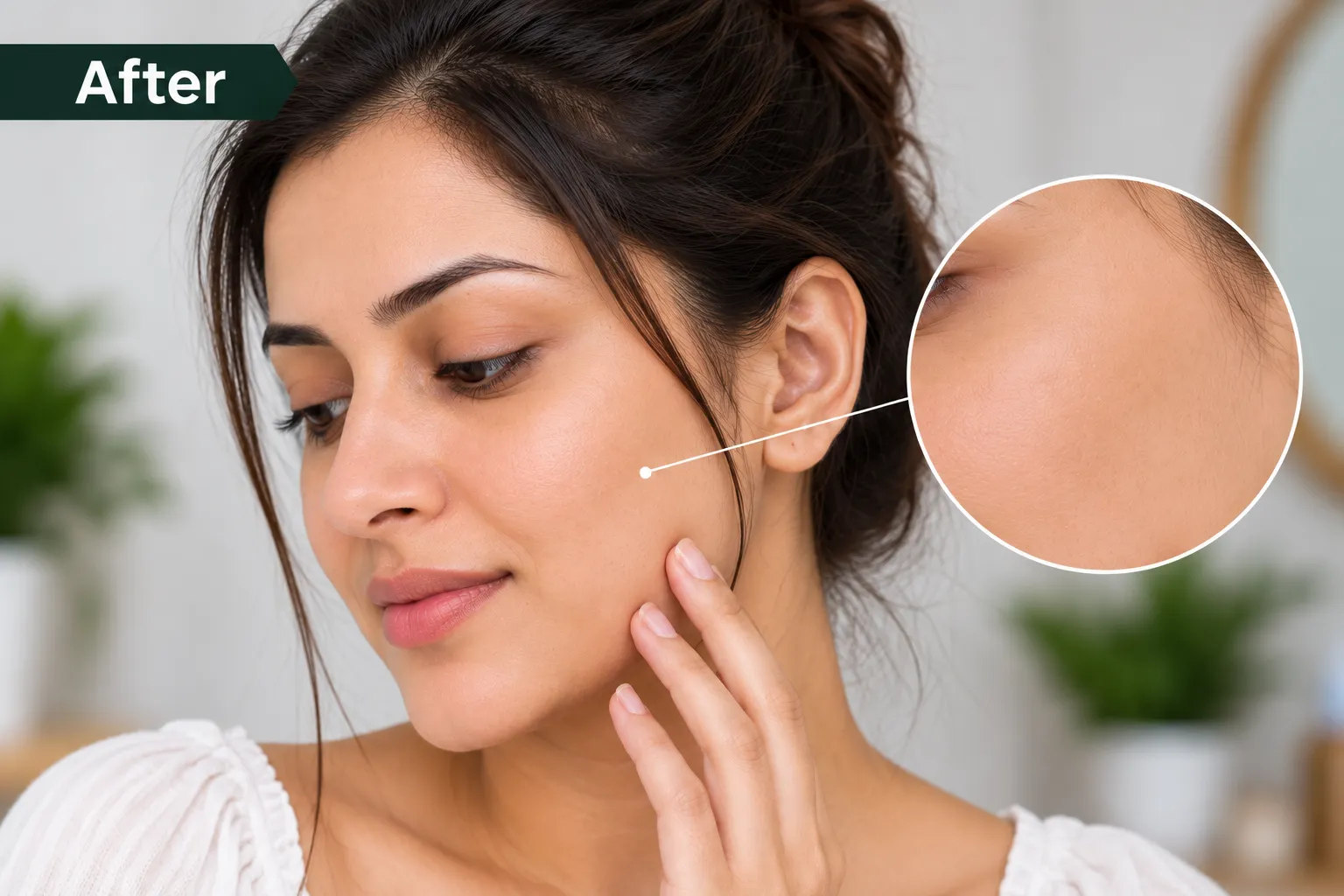
Psoriasis is a long-term condition and there is currently no permanent cure. However, appropriate treatment can help control symptoms and reduce the impact of flare-ups.
Treatment response varies according to the type and severity of psoriasis, affected body areas and treatment used. Your dermatologist can provide more relevant guidance after assessment.
Yes. Psoriasis can affect the scalp and may cause scaling, itching and thicker patches. Scalp psoriasis may require a treatment approach specifically suited to the scalp.
Many patients with psoriasis use topical treatments such as creams, ointments, lotions or gels. The appropriate treatment depends on the type, severity and location of psoriasis.
Yes. Psoriasis can have periods of improvement followed by flare-ups. Long-term management and appropriate follow-up can help control recurring symptoms.
Consider a dermatology consultation if you have persistent scaly patches, frequent flare-ups, worsening symptoms or treatment that is no longer working. Joint pain, swelling or stiffness should also be discussed with a doctor because psoriasis can be associated with psoriatic arthritis.
Get your psoriasis assessed by a dermatologist and discuss a personalised treatment plan based on your symptoms, affected areas, previous treatment and skin condition.