Fungal Infection Treatment
Antifungal treatment may be recommended when a fungal infection is diagnosed, with the choice depending on the affected area and severity.

Get personalised skin infection treatment in Roorkee for persistent itching, redness, rashes, swelling, scaling, irritation and other signs of infection. A dermatologist can assess the affected skin, identify the likely cause and recommend an appropriate treatment plan.
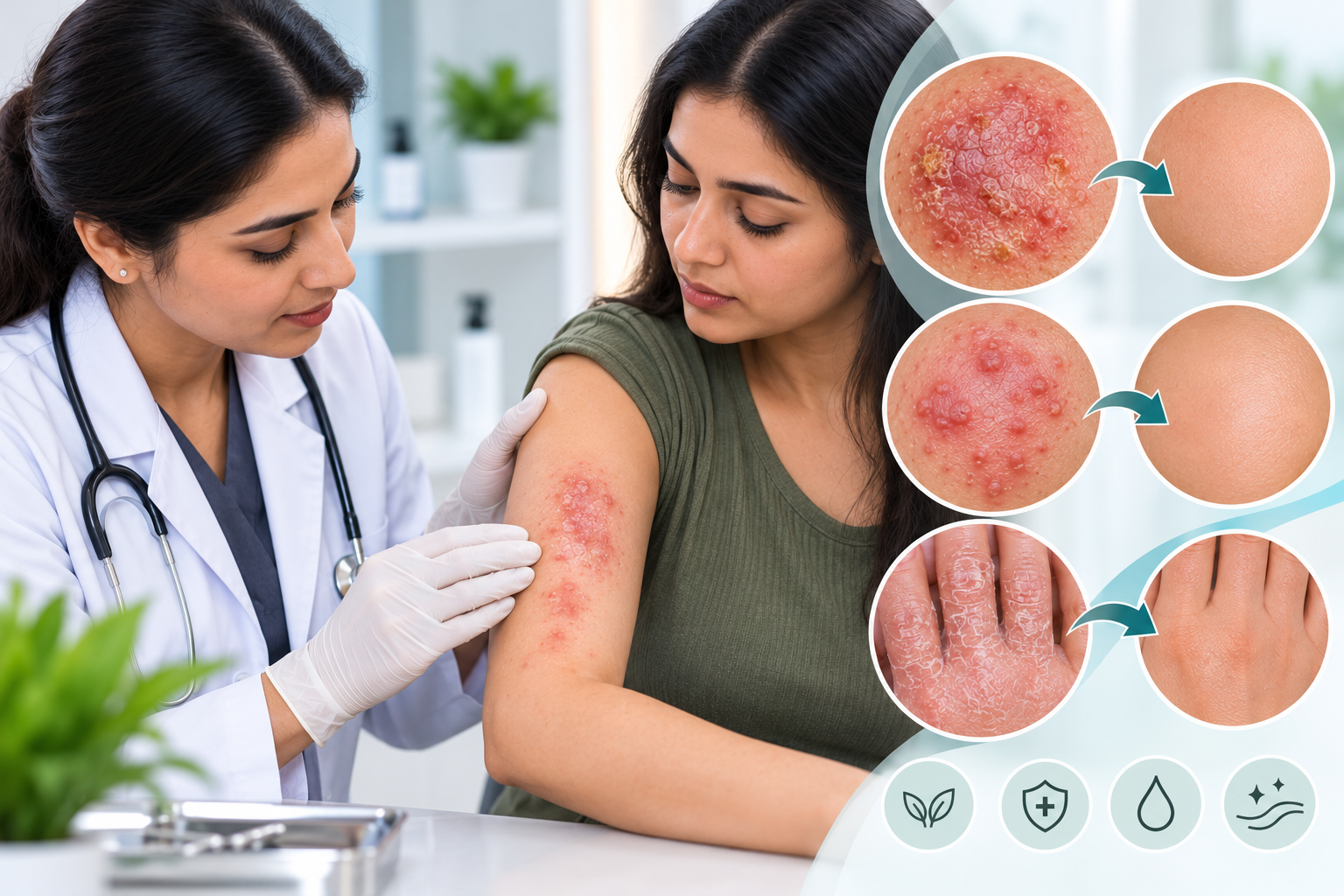
A skin infection occurs when microorganisms such as fungi, bacteria or viruses affect the skin. Skin infections can produce different symptoms depending on their cause and location. Because several skin conditions can look similar, proper dermatological assessment is important before choosing treatment.
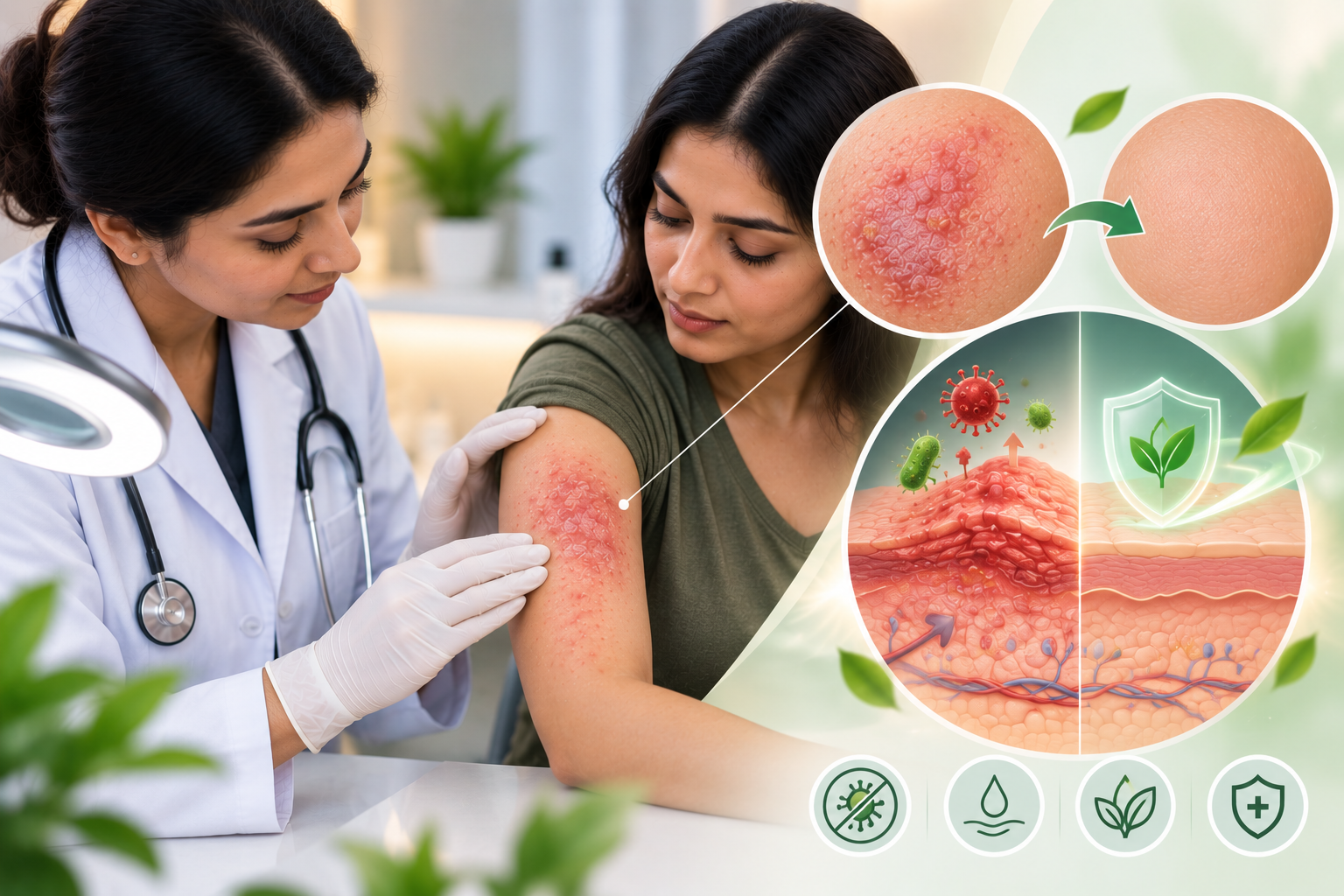
Different infections require different treatment approaches. A dermatologist can examine the affected area and determine whether the symptoms are consistent with a fungal, bacterial, viral or other type of skin condition.
Treatment depends on the suspected cause, location, severity and extent of the infection. Depending on the diagnosis, treatment may involve topical medicines, oral medicines, supportive skin care or other dermatologist-supervised care.
The dermatologist examines the affected skin and reviews the location, appearance, symptoms and extent of the problem.
Previous infections, treatments, medications, recurrence and relevant health factors are discussed.
Based on the clinical assessment, an appropriate treatment plan is selected according to the likely cause and severity.
Follow-up helps assess your response to treatment and determine whether any adjustment is required.

Skin infections can sometimes resemble eczema, allergies, dermatitis or other inflammatory skin conditions. At Dr Hera's Skin & Hair Clinic, the affected skin is assessed before selecting treatment. The aim is to identify the likely cause and provide a personalised treatment plan based on the individual's symptoms and clinical findings.
Explore personalised options for managing your skin, hair, and aesthetic concerns with our complete range of skin and hair care treatments . We focus on understanding your individual concerns and providing suitable treatment options designed around your skin needs and desired results.
Recovery depends on the type of infection, its severity, affected body area, duration of symptoms and response to treatment. Your dermatologist can explain expected progress after assessing your condition.


The appropriate treatment depends on the cause of the infection. Fungal, bacterial and viral infections can require different treatments, so a dermatologist should assess persistent or worsening symptoms before treatment is selected.
Treatment duration varies depending on the type, location, severity and response to treatment. Your dermatologist can provide more relevant guidance after examining the affected skin.
Some fungal infections and inflammatory skin conditions can have similar-looking symptoms. A dermatological examination can help determine the most appropriate diagnosis and treatment.
Some infections can recur. Repeated symptoms may require assessment of the diagnosis, treatment response and factors that could be contributing to recurrence.
Not every rash is caused by a fungal infection. Using the wrong treatment can delay appropriate care, so persistent or uncertain rashes are better assessed by a dermatologist.
Consider a consultation when symptoms persist, worsen, repeatedly return, spread to other areas or do not improve with appropriate initial care. Rapidly worsening redness, significant swelling, severe pain or fever requires prompt medical attention.
Get your skin condition assessed by a dermatologist and discuss a suitable treatment plan based on your symptoms, diagnosis and individual requirements.