Dermatologist Consultation
Your skin and pigmentation pattern are assessed before a personalised treatment plan is recommended.

Personalised pigmentation treatment in Roorkee for dark spots, uneven skin tone, pigmentation marks, melasma and other pigmentation concerns after assessment by a dermatologist.

Skin pigmentation refers to changes in skin colour that can make certain areas appear darker or uneven compared with the surrounding skin. Pigmentation may appear on the face or other areas of the body and can have different causes.
The right pigmentation treatment depends on the type, cause, location and severity of the pigmentation. A dermatologist can assess your skin and recommend an appropriate treatment plan.

Different pigmentation concerns may require different approaches. Identifying the type and underlying cause helps determine the most suitable treatment.
Treatment is selected according to the type of pigmentation, skin condition, underlying cause and individual requirements. Depending on the assessment, treatment may include skincare, medicines, chemical peels or selected clinic procedures.
The dermatologist examines the pigmentation, affected areas, skin type and overall skin condition.
Relevant skincare products, previous treatments, medications and other possible contributing factors are discussed.
The type and likely cause of pigmentation are considered before deciding which treatment options may be appropriate.
A treatment plan is created according to your pigmentation, skin condition and individual requirements.
Follow-up appointments can help assess your response and adjust the treatment plan when required.
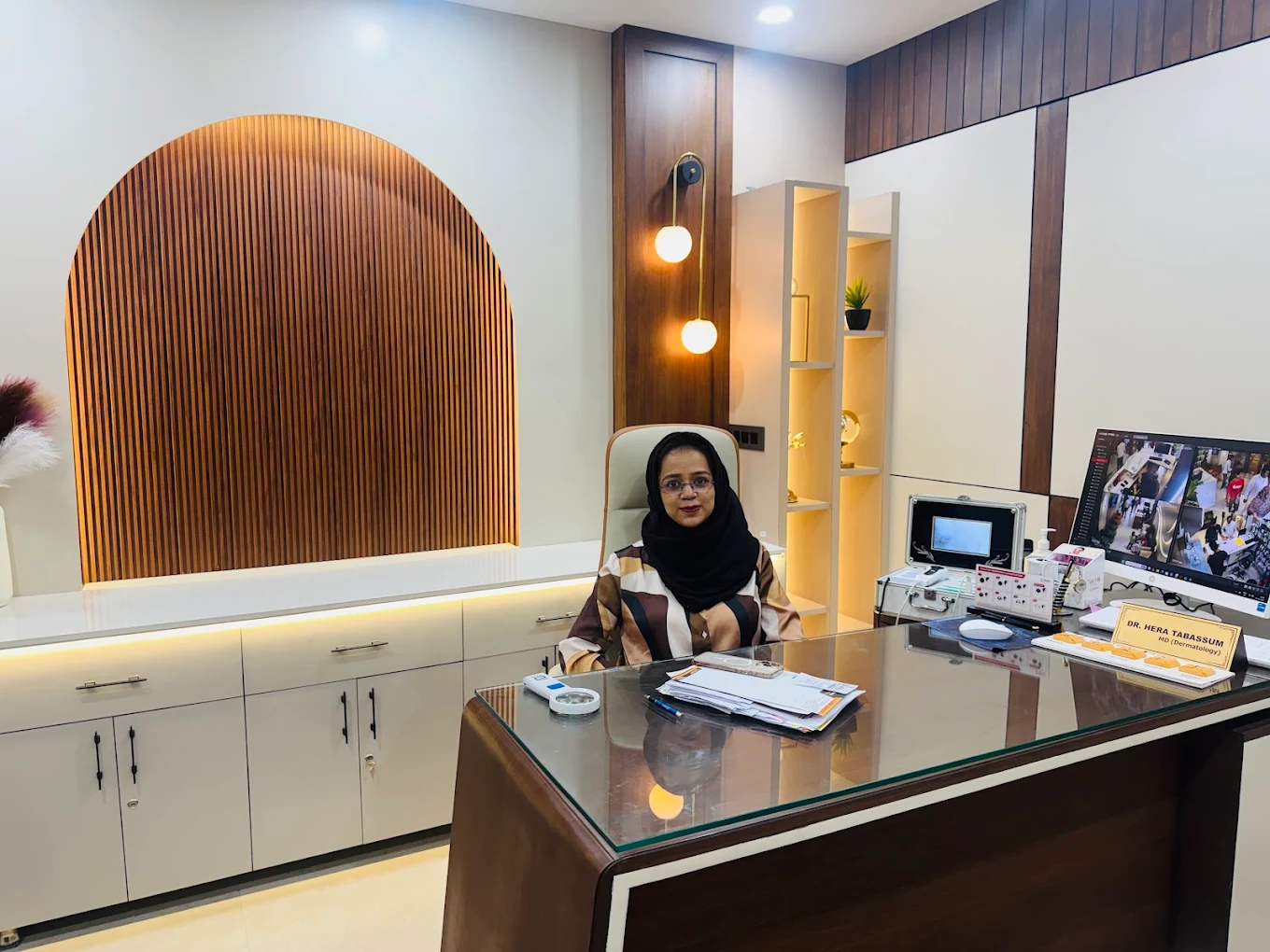
Pigmentation can have different causes, and the most suitable treatment depends on the type and condition of your skin. At Dr Hera's Skin & Hair Clinic, pigmentation concerns are assessed before creating a personalised treatment plan.
Whether you are concerned about dark spots, melasma, post-acne pigmentation or uneven skin tone, a dermatologist consultation can help determine the appropriate treatment options for your skin.
Discover our comprehensive range of Dermatology Services designed to address various skin, hair and cosmetic concerns with personalised care and advanced treatment options.
Pigmentation treatment results vary depending on the type and cause of pigmentation, skin type, severity, treatment plan and individual response. Results may take time and multiple treatment sessions or ongoing skincare may be recommended depending on the condition.


Different pigmentation concerns can require different treatment approaches. A dermatologist can assess your skin and recommend suitable treatment options based on your individual condition.
The appropriate treatment depends on the type, cause and severity of pigmentation. A dermatologist can assess your skin and recommend suitable treatment options.
Yes. Pigmentation concerns can be assessed and treated at Dr Hera's Skin & Hair Clinic in Roorkee. Treatment is selected according to the individual's skin condition and pigmentation.
Some types of dark spots can be treated or improved with appropriate medical skincare or clinic-based treatments. Suitability depends on the cause and skin assessment.
Selected chemical peels may help certain pigmentation concerns, but suitability depends on the type of pigmentation, skin type and dermatologist's assessment.
Treatment duration varies depending on the pigmentation, underlying cause, severity and treatment approach. Your dermatologist can provide a more relevant expectation after evaluating your skin.
Some pigmentation conditions can recur depending on their cause and individual factors. Your dermatologist may recommend ongoing skincare and sun protection to help manage the condition.
Get your pigmentation assessed and discuss a personalised treatment plan based on your skin type, pigmentation and treatment requirements.