Topical Treatment
Prescription topical medicines may be considered for suitable patients to help control the condition and support repigmentation.

Get personalised vitiligo treatment in Roorkee for white or depigmented patches affecting the face, hands, body or other areas of the skin. A dermatologist-led assessment helps determine the type, extent and suitable treatment options for your condition.
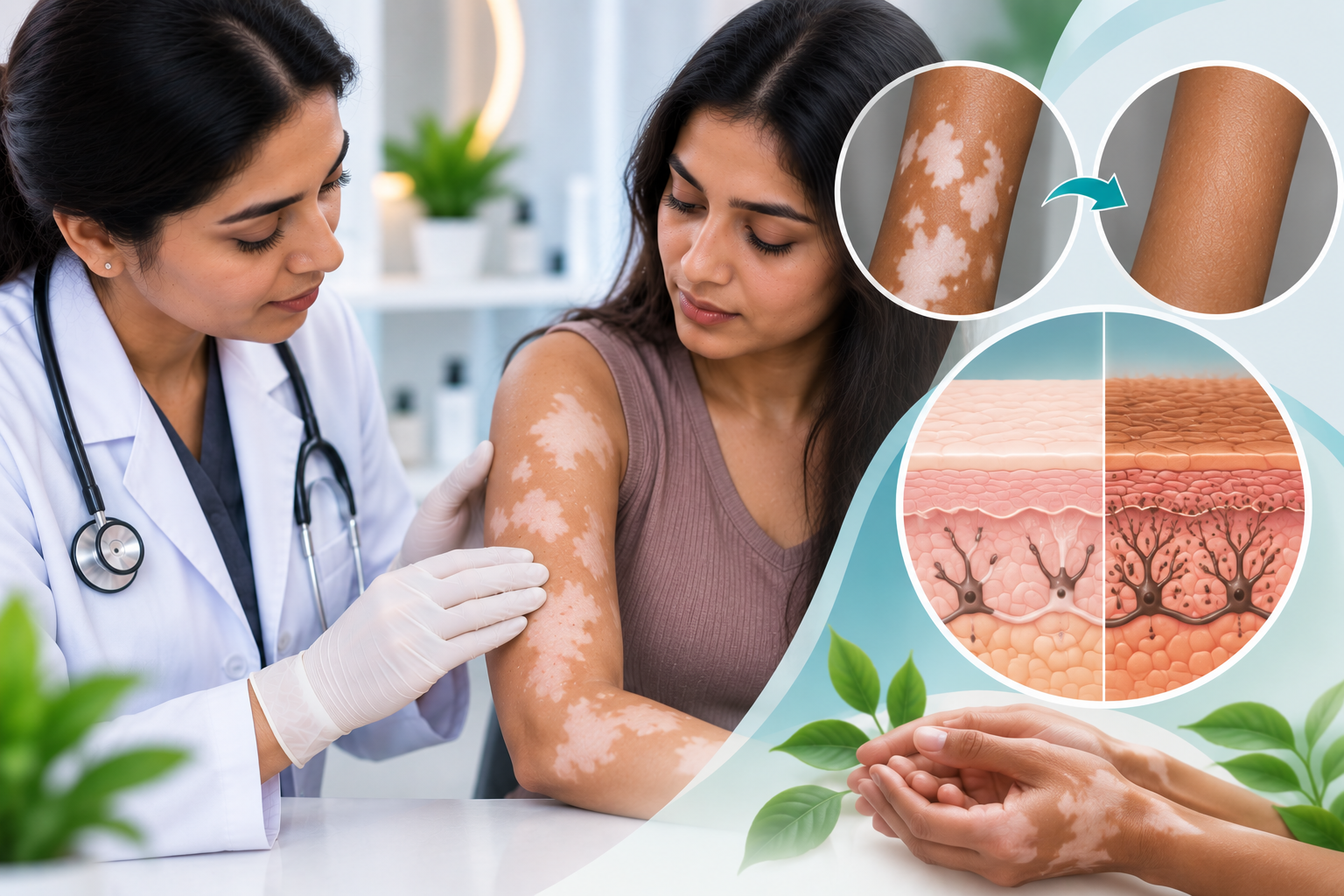
Vitiligo is a long-term skin condition in which areas of the skin lose their natural pigment, resulting in pale or white patches. It can affect different parts of the body and may remain limited to a few areas or become more widespread. The condition can vary considerably from one person to another.
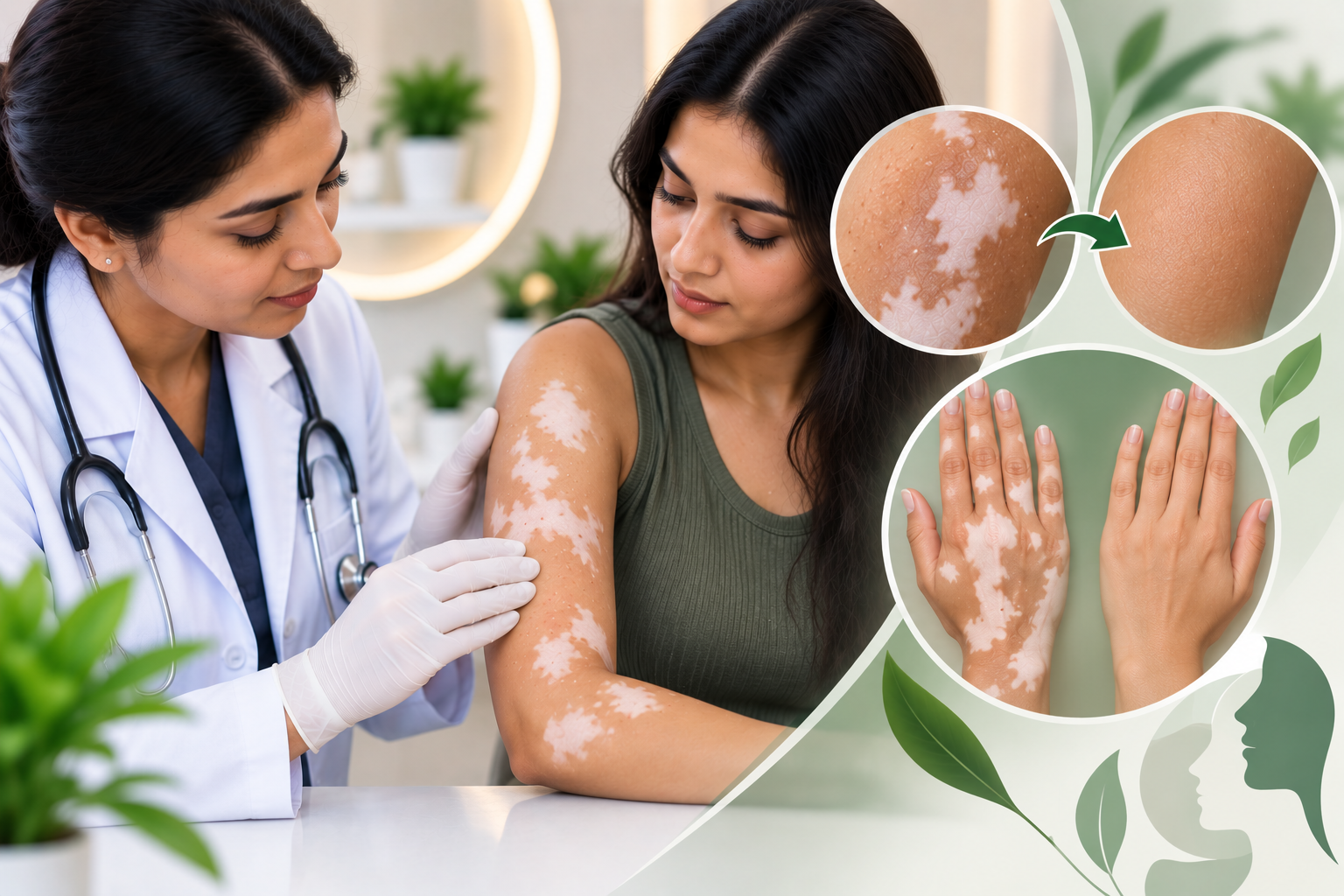
Vitiligo can appear in different patterns and may affect different areas of the body. A dermatologist can assess the distribution and progression of the patches before recommending treatment.
Vitiligo treatment is personalised according to factors such as the type and extent of pigmentation loss, affected body areas, disease activity, age and previous treatment. Depending on the assessment, treatment may include topical medicines, phototherapy or other dermatologist-supervised options.
The dermatologist examines the depigmented areas and assesses their location, appearance and extent.
The history of your white patches, previous treatments, progression and relevant medical factors is discussed.
Your dermatologist determines the most appropriate treatment approach based on the clinical assessment and individual requirements.
Treatment response can be reviewed over time and the plan adjusted when clinically appropriate.
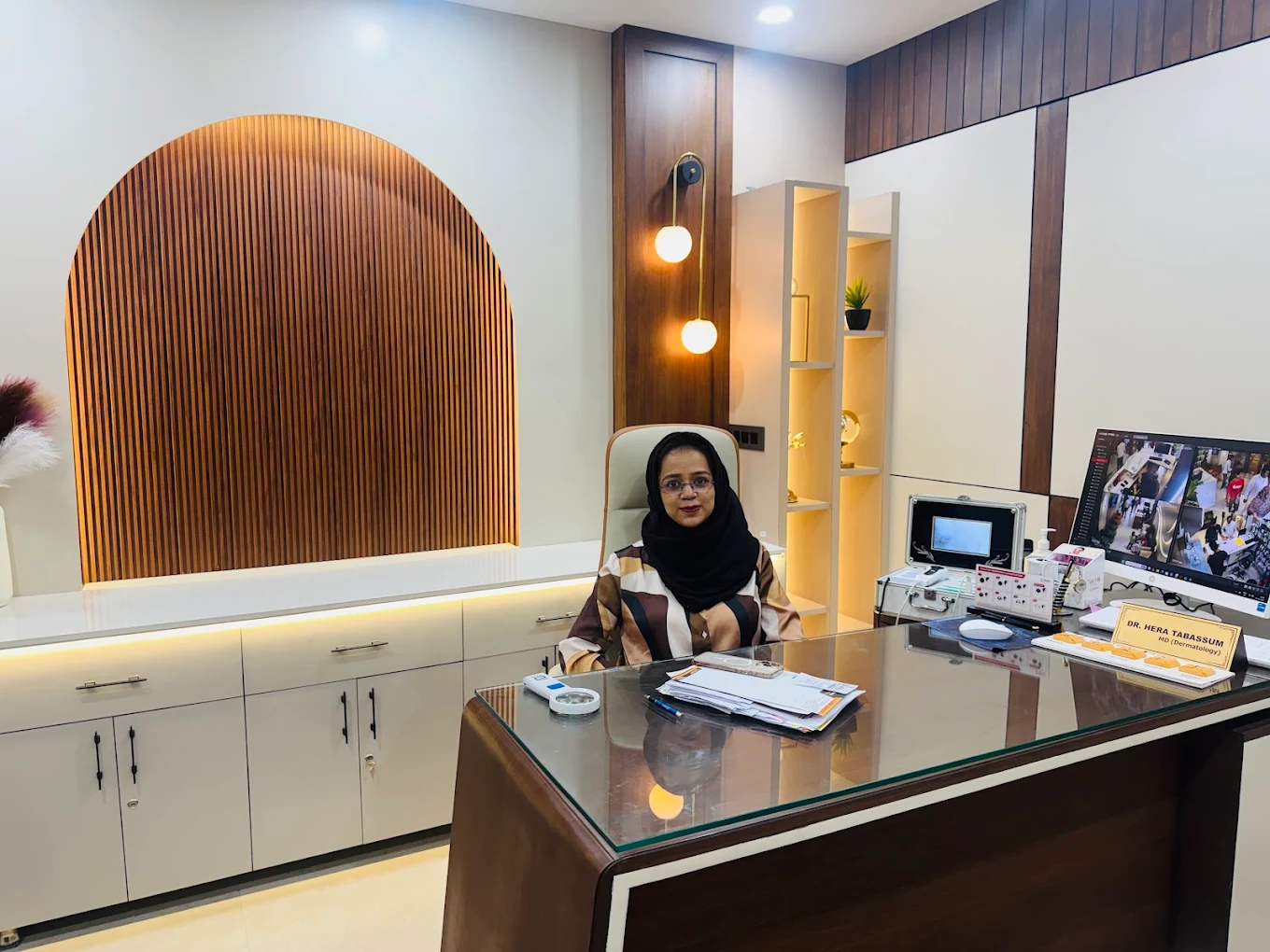
Vitiligo can affect different areas of the body and its progression and treatment response can vary from person to person. At Dr Hera's Skin & Hair Clinic, the treatment plan is based on an individual dermatological assessment, the extent of pigmentation loss and your treatment goals.
Looking for expert care for your skin, hair, or cosmetic concerns? Explore our skin specialist services to discover personalised treatment options tailored to your individual needs, with a focus on safe, effective, and patient-focused dermatological care.
Vitiligo treatment results vary depending on factors such as the type of vitiligo, affected body area, extent of pigmentation loss, disease activity and individual response to treatment. A dermatologist can discuss realistic expectations during your consultation.


Vitiligo is a long-term condition and treatment does not guarantee permanent restoration of pigmentation. Some treatments can help restore colour in suitable patients, but results vary and pigmentation may return.
Treatment response varies depending on the type of vitiligo, affected area, extent of pigmentation loss and treatment approach. Your dermatologist can provide more relevant guidance after assessing your skin.
Vitiligo can remain limited to certain areas in some people, while in others new patches may develop over time. A dermatologist can assess the pattern and progression of your condition.
Treatment options are available for vitiligo, but the most appropriate approach depends on the diagnosis, type and extent of the condition. A dermatology consultation is recommended before starting treatment.
Yes. Phototherapy can be considered for selected people with vitiligo, particularly when topical treatment has not been sufficient or when the condition is more widespread.
Facial vitiligo can be assessed for suitable treatment options. Depending on the patient's age, condition and clinical assessment, a dermatologist may consider medical or light-based treatment.
Get your white patches assessed by a dermatologist and discuss suitable vitiligo treatment options based on the type, extent and progression of your condition.